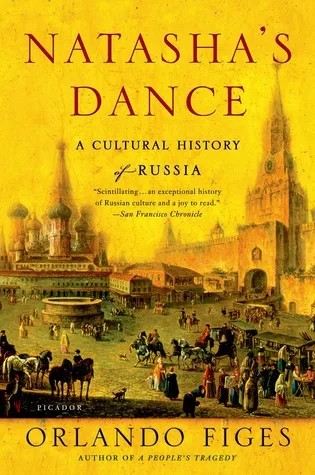
Orlando Figes analyzes the tension between European sophistication and Slavic folk traditions that shaped Russian identity from the construction of Saint Petersburg to the Soviet era. Using Leo Tolstoy’s character Natasha Rostova as a central metaphor, the narrative tracks how the Westernized elite struggled to reconcile their French schooling with an innate, peasant-rooted sensibility. Figes examines how artists like Stravinsky, Chekhov, and Diaghilev translated these internal contradictions into music, literature, and ballet. The history details the evolution of the "Russian soul" through specific cultural shifts, including the rise of the 1812 generation, the ideological divides of the Slavophiles, and the impact of political exile on artistic expression.
Readers interested in the intersection of aesthetics and national ideology find a roadmap for understanding how Russia defines itself against the West. It appeals to those who want a granular look at the lives of the nobility and the peasantry rather than a standard political or military chronology. By finishing the book, the reader gains a specific vocabulary for identifying the recurring folk motifs and historical traumas that continue to influence Russian social structures and creative output. It provides a foundation for connecting nineteenth-century high culture to modern nationalistic narratives.
- Published
- 2002
- Language
- EN
More by Orlando Figes
See all →
Readers also enjoyed