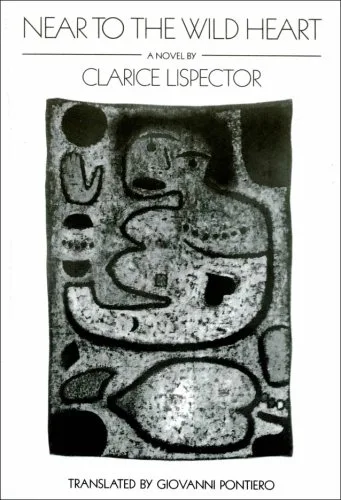
Published in 1943, this novel follows the internal development of Joana from her solitary childhood under her father's gaze to an alienated adulthood and a dissolving marriage to Otávio. The narrative functions through an intense stream of consciousness, prioritizing Joana’s subjective perceptions over external events. She navigates her identity through a series of moral transgressions and intellectual rebellions, rejecting traditional social roles. The text focuses on the friction between her feral nature and the rigid linguistic and social structures that attempt to define her existence.
Readers interested in the psychological landscape of female solitude and the limitations of language find this work significant. It attracts those who value a prose style that mimics the erratic speed of thought rather than linear storytelling. The reader finishes the book with a visceral understanding of radical individual autonomy and the discomfort of existing outside conventional morality. It serves as a study in how a person constructs an internal reality that remains entirely inaccessible to others, even those they love.
Deep, inward-looking, contemplative, open-ended and thought-provoking; a demanding read.
Best for readers like The Wisdom Collector. Which reader are you?
- Published
- 1943
- Language
- EN