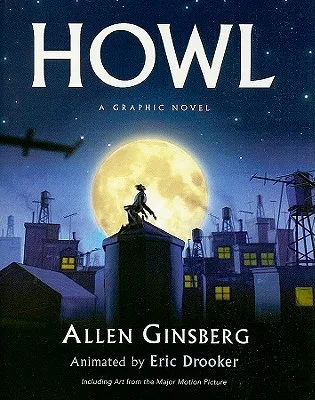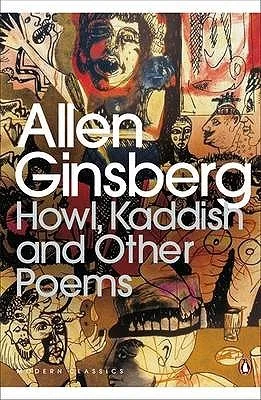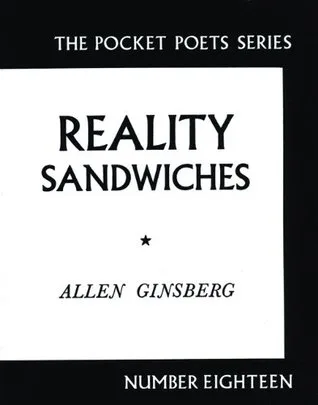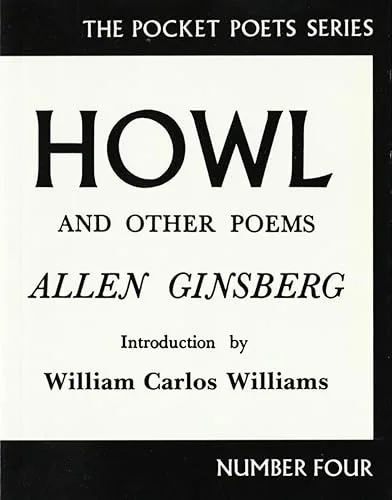
Published in 1956, this collection centers on the title poem, a frantic catalog of mid-century American struggle. Ginsberg documents the lives of social outcasts, drug users, and jazz musicians through long, rhythmic lines. He identifies a destructive social force labeled Moloch, which represents industrial greed and mental conformity. The work includes the poem Footnote to Howl, which asserts the sanctity of the human body and everyday objects, alongside A Supermarket in California, where the narrator imagines encountering Walt Whitman among grocery aisles.
This book is for readers interested in the Beat Generation and those seeking a departure from formal, rhyming verse. It attracts people who want to understand the intersection of personal mental health struggles and the rigid social structures of the 1950s. Readers walk away with a specific vocabulary for describing urban isolation and a technical example of how breath and colloquial speech can dictate poetic structure. It provides a historical record of countercultural resistance and the specific locations used by the artistic underground in New York and San Francisco.
Deep, inward-looking and open-ended; a moderate read.
Best for readers like The Wisdom Collector. Which reader are you?
- Published
- 1956
- Language
- EN