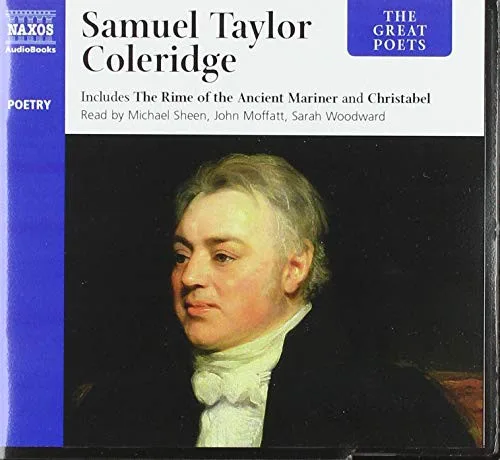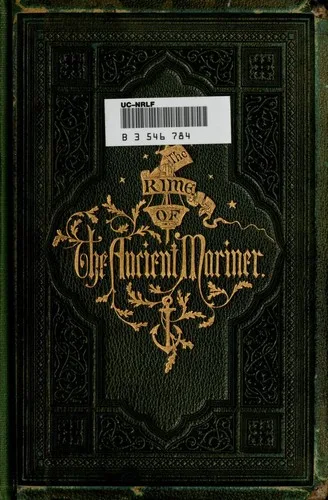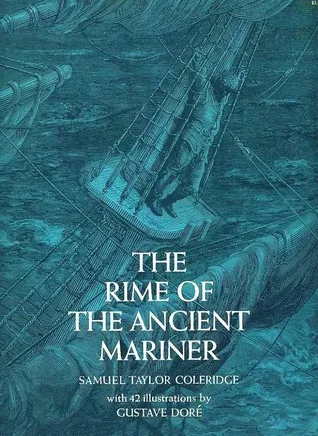
The poem recounts a sailor’s harrowing sea voyage that spirals into disaster after he shoots an albatross without provocation. This act brings a supernatural curse upon the ship, stranding the crew in windless waters where they perish from thirst. As the only survivor, the Mariner endures a psychological and physical purgatory, witnessing phosphorescent sea creatures and ghostly apparitions before achieving a partial penance through the blessing of nature. He eventually returns to land, burdened by a lifelong compulsion to retell his ordeal to strangers, passing on a lesson regarding the sanctity of living things.
Readers of Romantic literature and gothic horror study this work to observe its specific use of archaic language and ballad meter. It serves those interested in the transition from Enlightenment logic to focused emotional expression and spectral imagery. A reader gains a clear understanding of the "willing suspension of disbelief" and how guilt functions as a perpetual narrative force. The text provides a vivid inventory of nautical isolation and a framework for understanding the relationship between human impulse and the natural world.
- Published
- 1798
- Language
- EN