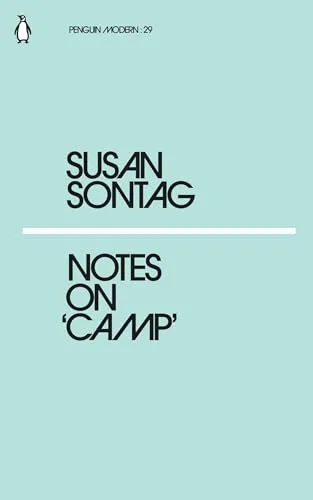
Susan Sontag defines a specific aesthetic sensibility that prioritizes artifice, stylistic excess, and the theatrical over traditional notions of content or morality. She lists fifty-eight formal observations to categorize Camp as a distinct mode of appreciation, separating it into "pure" Camp, which is unintentional and naive, and "Campy" behavior, which is self-conscious and deliberate. The text identifies key examples in art nouveau, opera, and pop culture, arguing that the sensibility finds beauty in failed seriousness and the exaggerated blurring of gender roles or historical periods.
This essay serves readers interested in cultural theory, aesthetics, and the history of queer sensibility. It provides a technical vocabulary for identifying how irony and detachment function in modern consumption. A reader finishes the text with a framework to distinguish between high art and kitsch, understanding why certain objects are valued for their extravagant flaws. It offers a lens for analyzing how distance from a subject allows for a playful, decorative engagement with the world rather than a strictly intellectual or emotional one.
- Published
- 1964
- Language
- EN
More by Susan Sontag
See all →
Readers also enjoyed