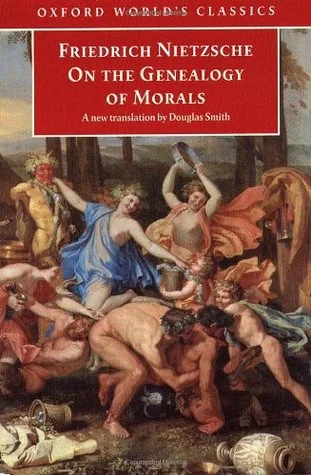
Friedrich Nietzsche challenges the evolution of Western ethics by tracing the psychological origins of good and evil. He argues that modern morality is not a timeless truth but a product of historical resentment, which he terms ressentiment. The text outlines a shift from the master morality of ancient aristocrats, who defined "good" as strength and vitality, to a slave morality rooted in Judeo-Christian values. This inversion occurred when the weak redefined their suffering as virtue and labeled the powerful as "evil." Nietzsche analyzes the development of the bad conscience, ascetic ideals, and the structural debt humans feel toward the divine.
Philosophers, psychologists, and historians read this work to identify the hidden motivations behind human behavior and altruism. It serves those interested in how cultural history and language shape subjective experience. A reader finishes the book with a framework for evaluating whether their personal values support life or stem from suppressed hostility. They gain a methodology for questioning inherited social norms and understanding the psychological mechanisms that drive guilt and self-denial in secular and religious societies alike.
- Published
- 1887
- Language
- EN
Quotes by Friedrich Nietzsche
More →The snake which cannot cast its skin has to die. As well the minds which are prevented from changing their opinions; they cease to be mind.
Daybreak
He who has a why to live for can bear almost any how.
Twilight of the Idols
And those who were seen dancing were thought to be insane by those who could not hear the music.