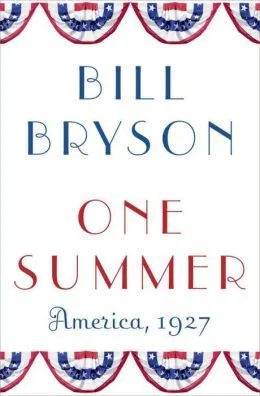
Bill Bryson chronicles the rapid cultural and technological shifts in American life during five months in 1927. He anchors the narrative around Charles Lindbergh’s solo flight across the Atlantic, using this event as a pivot point to examine other key milestones. The book details the premiere of the first talking motion picture, the rise of Babe Ruth and Lou Gehrig during the Yankees' dominant season, and the execution of Sacco and Vanzetti. Bryson connects these events to the Great Mississippi Flood and the speculative environment that preceded the Great Depression.
Readers interested in social history and the foundations of modern American celebrity culture will find this helpful for placing isolated 20th-century events into a unified timeline. The text appeals to those who enjoy learning how individual personalities, such as Al Capone or Herbert Hoover, shaped federal policy and public perception. A reader walks away with a clear understanding of how a single summer accelerated American global influence and established the logistical frameworks for international aviation and mass media.
Outward-looking and clear-cut; a moderate read.
Best for readers like The Evidence Seeker. Which reader are you?
- Published
- 2013
- Language
- EN
More by Bill Bryson
See all →


Books like One Summer: America, 1927
See all 12 →