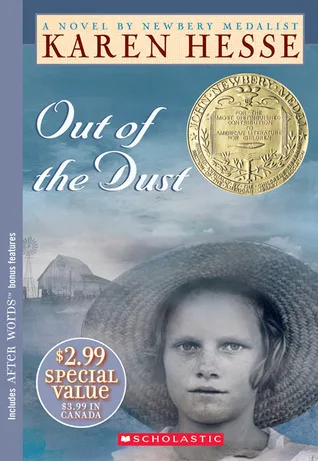
Fourteen-year-old Billie Jo Kelby lives on a struggling Oklahoma wheat farm during the Great Depression. Written in free-verse poetry, the narrative chronicles her life during the relentless drought and windstorms of the Dust Bowl. Following a tragic kitchen accident involving a kerosene fire, Billie Jo loses her mother and her unborn brother. She is left with severely burned hands, which prevents her from playing the piano, her primary source of comfort. The story tracks her strained relationship with her grieving father as they face crop failure and constant layers of grit.
Middle-grade and young adult readers looking for historical realism read this book to understand the ecological and economic hardships of the 1930s. It appeals to those interested in how family dynamics change under high stress and physical trauma. Readers finish the book with a clear perspective on the grit required to endure environmental disaster and the slow process of reconciling with a parent after a shared tragedy. It provides a stark look at survival when both nature and circumstances turn hostile.
Inward-looking; an easy read.
Best for readers like The Empathetic Explorer. Which reader are you?
- Published
- 1997
- Language
- EN