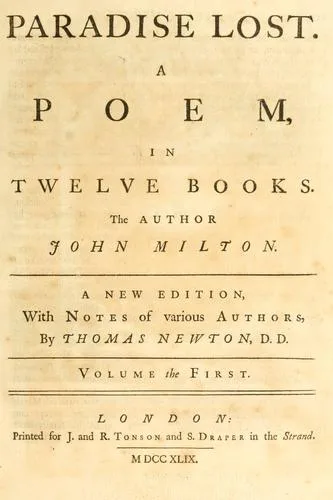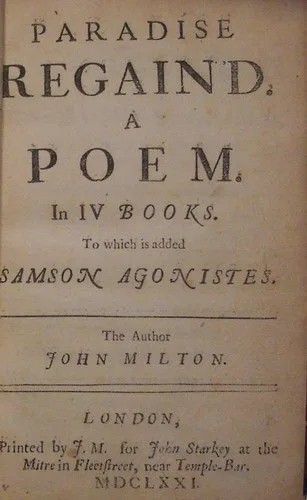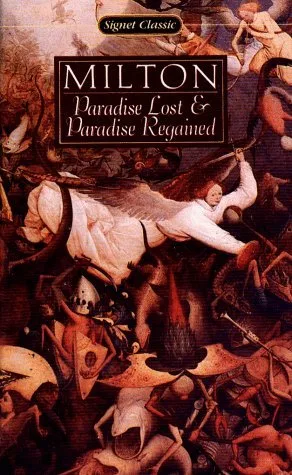
John Milton’s epic poems detail the theological cycle of human fallibility and redemption. Paradise Lost chronicles the rebellion of Lucifer, his transformation into Satan, and his subsequent infiltration of Eden to corrupt Adam and Eve. The narrative explains the disappearance of divine grace through the consumption of the fruit from the Tree of Knowledge, resulting in the expulsion of humanity from paradise. Paradise Regained shifts focus to the New Testament, documenting the desert encounter between Christ and Satan. Through a series of intellectual and spiritual trials, Christ rejects worldly power and physical temptation, establishing a internal kingdom that compensates for the physical territory lost in Genesis.
Students of classical literature and theology read these works to analyze the intersection of seventeenth-century political theory and biblical exegesis. Readers gain a technical understanding of blank verse and the structural conventions of the formal epic. The text provides a framework for examining the tension between divine foreknowledge and individual free will. By following the arguments of the fallen angels and the resistance of the Messiah, the reader acquires a specific vocabulary for identifying moral endurance and the psychological mechanisms of pride.
Deep, inward-looking, contemplative and open-ended; a demanding read.
Best for readers like The Wisdom Collector. Which reader are you?
- Published
- 1667
- Language
- EN