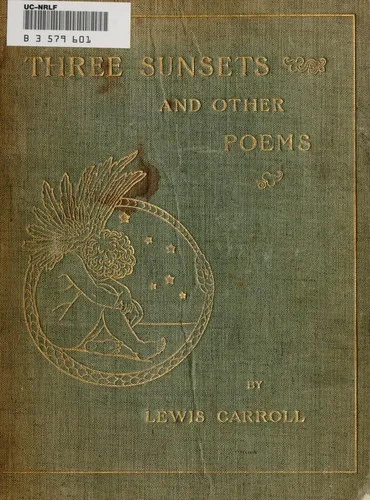
The title poem centers on an encounter between a mortal man named Tibbets and a small, talkative ghost who haunts his home. Through seven cantos written in anapestic meter, the phantom explains the bureaucratic regulations of the Spectres’ Union, detailing how ghosts are assigned to houses and the etiquette they must follow when rattling chains or moaning. Carroll parodies the Gothic tradition by treating the supernatural as a mundane profession. The collection also features diverse shorter works like Hiawatha’s Photographing, which uses the meter of Longfellow’s epic to describe the technical frustrations of early Victorian photography.
Readers of humorous verse and Victorian literature turn to this volume for its mathematical precision and absurdity. It appeals to those interested in the transition from dark Romanticism to nonsense literature. The audience gains a technical understanding of how rigid poetic structures can be adapted for comedy. By the end, the reader walks away with a clear view of Carroll’s ability to apply logical systems and domestic frustrations to fantastical creatures, making the uncanny feel suburban and orderly.
Balanced in tone; a moderate read.
Best for readers like The Story Seeker. Which reader are you?
- Published
- 1869
- Language
- EN