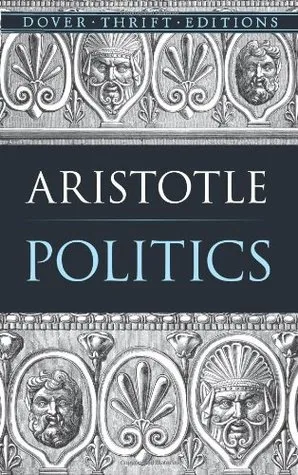
Aristotle defines the city-state as a collection of households aimed at the highest good. He analyzes the logic of citizenship, the classification of constitutions, and the causes of revolution. The text classifies governments into three pairs: monarchy and tyranny, aristocracy and oligarchy, and polity and democracy. It argues that humans are political animals by nature, meant to live in a structured community. Aristotle examines how private property, family structures, and educational systems determine the stability and justice of a functioning legal order.
Students of political science and history read this to understand the origins of constitutional theory and civic duty. It provides a technical vocabulary for discussing how power is distributed and how institutional designs prevent or invite civil unrest. Readers gain a framework for comparing different modes of governance based on their practical outcomes rather than abstract ideals. The book equips the reader to identify the tensions between different social classes and how those pressures shape modern legislative systems and legal frameworks today.
- Language
- EN
Quotes by Aristotle
More →We are what we repeatedly do. Excellence, then, is not an act, but a habit.
Nicomachean Ethics
More by Aristotle
See all →
Readers also enjoyed