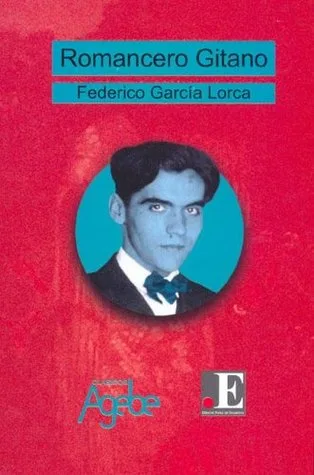
Published in 1928, this collection consists of eighteen ballads that merge traditional Spanish folk forms with avant-garde imagery. The poems center on the lived experience of the Andalusian Romani people, portraying a world governed by elemental forces, mythic symbolism, and physical violence. Lorca depicts recurring confrontations between the marginalized Roma community and the Civil Guard, representing a clash between personal freedom and rigid state authority. Key figures include the personified Moon, Saint Gabriel, and Antoñito el Camborio, whose stories unfold amidst landscapes of olive groves, shadows, and daggers. The work utilizes the rhythmic structure of the octosyllable to document a culture shaped by passion, tragic destiny, and an inherent sense of sorrow known as pena.
Readers interested in the intersection of folk tradition and modernism study these verses to understand the shift in Spanish literature toward surrealist expression. Those studying linguistics or creative writing examine the text for its innovative use of metaphor and its preservation of oral storytelling techniques. The audience gains a precise technical understanding of the ballad form alongside an introduction to the specific cultural archetypes of southern Spain. By engaging with this poetry, a reader acquires a vivid vocabulary for describing sensory experiences and the tension between ancient social customs and modern institutional control.
Deep, inward-looking and open-ended; a moderate read.
Best for readers like The Literary Connoisseur. Which reader are you?
- Published
- 1928
- Language
- EN