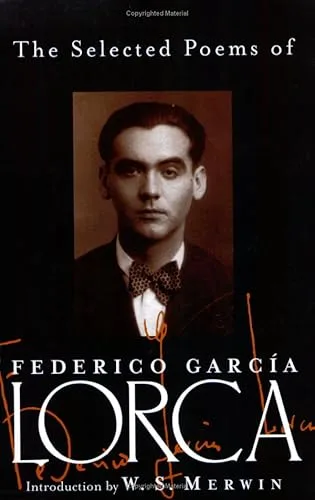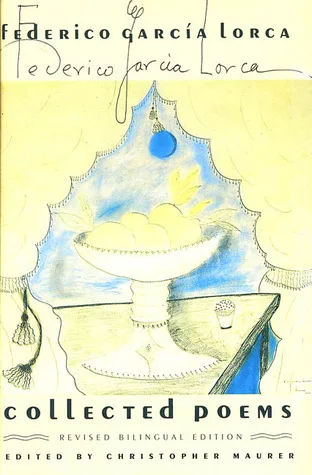
This bilingual edition assembles the core lyrical output of the Spanish poet, spanning his early experiments with Andalusian folk forms to the surrealist imagery of his later periods. The collection presents the stark, rhythmic structures of the deep song and the Romancero Gitano, alongside the chaotic, urban alienation found in the verses written while the author lived in New York. The text documents his preoccupation with the intersections of folk mythology, agrarian labor, and the violent suppression of the marginalized, utilizing recurring symbols like the moon, daggers, and galloping horses.
This volume serves students of twentieth-century modernism and those interested in the evolution of the Spanish avant-garde. Readers use this collection to study the transition from traditional balladry into complex surrealist metaphor. By engaging with both the original Spanish and the English translations, the reader gains a technical understanding of the relationship between linguistic economy and musicality in verse. The book provides a comprehensive view of how a regional identity is translated into a universal language of grief, desire, and mortality.
- Published
- 1962
- Language
- EN