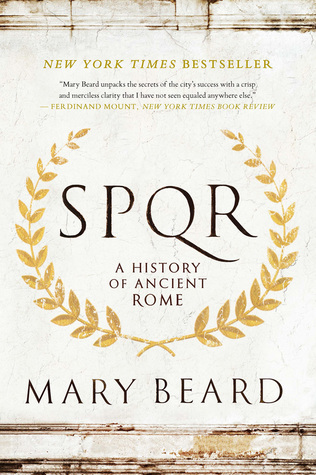
Mary Beard tracks the evolution of the Roman state from its mythic eighth-century BCE origins to the pivotal year 212 CE, when Emperor Caracalla granted universal citizenship to all free inhabitants of the empire. Rather than a linear biography of emperors, the narrative examines the mechanics of power through specific case studies, such as the Catiline conspiracy and the logistics of Roman expansion. Beard analyzes archaeological evidence alongside classical texts to reconstruct the daily lives of slaves, women, and the urban poor, questioning how a small Italian village transformed into a massive Mediterranean superpower.
This book serves readers who want to move beyond Hollywood caricatures of sandals and marble. It appeals to those interested in how ancient political structures reflect modern issues of citizenship, immigration, and civil liberty. Readers finish the text understanding how the Romans defined their own national identity and how their administrative innovations maintained control over diverse populations for centuries. It provides a grounded view of the ancient world that prioritizes historical evidence over legendary exaggeration.
Insights from SPQR: A History of Ancient Rome
Rome started as a tiny village of shepherds. They built a massive empire without any grand plan. It was mostly just a series of lucky accidents and local fights.
“Roman identity was always a work in progress.”
Roman citizenship wasn't about where you were born. They gave it to outsiders and even former slaves. That openness gave them a huge military advantage over everyone else.
Cicero and Catiline represent a fight that still feels modern. It was a clash between national security and civil liberties. Neither side was truly the hero.
“Rome was founded on fratricide.”
Founding myths usually involve murder and kidnapping. Romulus killed his own brother to start the city. Their origin stories were honest about their violent roots.
- Published
- 2015
- Language
- EN
More by Mary Beard
See all →
Readers also enjoyed