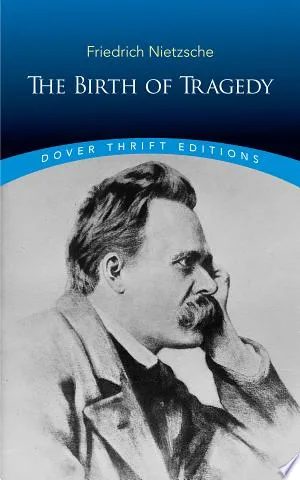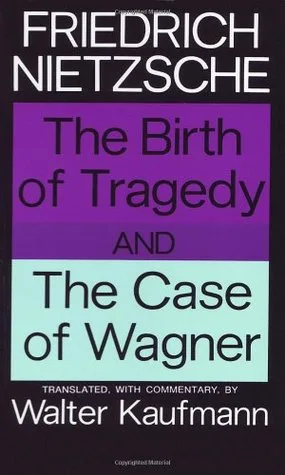
Nietzsche contrasts the Apollonian drive for order and visual beauty with the Dionysian impulse toward chaos and musical intoxication. He argues that Attic tragedy reached its peak by synthesizing these two opposing forces, allowing the audience to gaze into the abyss of existence while protected by artistic form. Later, he critiques Socrates and Euripides for introducing a rationalism that killed this tragic spirit. In the accompanying polemic against Richard Wagner, Nietzsche rejects his former idol’s operas as decadent, manipulative, and culturally diseased.
Students of aesthetics and cultural history read this text to understand shifts in European morality and the psychological origins of art. Readers gain a framework for analyzing the tension between logic and emotion in human creativity. The book provides a method for identifying cultural decline through the lens of music and myth. By the end, the reader possesses a vocabulary for distinguishing between life-affirming artistic expression and the theatrical artifice Nietzsche associated with modern nihilism.
- Published
- 1888
- Language
- EN
Quotes by Friedrich Nietzsche
More →The snake which cannot cast its skin has to die. As well the minds which are prevented from changing their opinions; they cease to be mind.
Daybreak
He who has a why to live for can bear almost any how.
Twilight of the Idols
And those who were seen dancing were thought to be insane by those who could not hear the music.