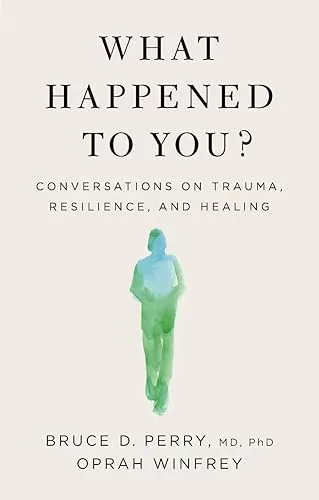
The Boy Who Was Raised as a Dog: And Other Stories from a Child Psychiatrist's Notebook
Bruce Perry illustrates how extreme trauma and neglect reshape the physical architecture of the developing human brain. Through case studies, including children rescued from cults and those kept in isolation, Perry explains his neurosequential model of therapeutics. He demonstrates that because the brain develops from the bottom up, healing must begin with stabilizing the brainstem through rhythmic, sensory activities before moving to higher-order cognitive talk therapy. The narrative details how consistent, repetitive social interaction can repair damaged neural pathways.
Psychologists, educators, and social workers read this book to understand the physiological mechanics of childhood stress. It provides a technical framework for identifying how environmental instability manifests as behavioral disorders in the classroom or home. Readers walk away with a specific strategy for trauma-informed care that prioritizes physical safety and predictable routines over immediate behavioral correction. It offers a blueprint for how relational health acts as a primary clinical intervention for neurobiological recovery.
- Published
- 2007
- Language
- EN