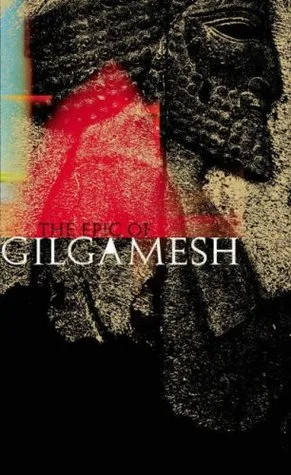
Gilgamesh, the ruler of Uruk, dominates his subjects until the gods create Enkidu, a feral man, to challenge him. After a physical confrontation, the two become companions and travel to the Cedar Forest to kill the monster Humbaba. When Enkidu dies from a divine curse, Gilgamesh descends into grief and abandons his kingdom to find Utnapishtim, a man granted eternal life by the gods. He seeks a remedy for death but fails to secure it, eventually returning to his city to view his architectural achievements.
Students of ancient history and literature read this edition to examine the earliest surviving narrative from Mesopotamia. The text provides a direct look at Sumerian and Akkadian social structures, religious hierarchies, and early views on the finality of existence. Readers understand how physical monuments and cultural memory serve as the only lasting alternatives to biological death. By studying this translation, the reader gains technical knowledge of cuneiform traditions and the origins of the heroic epic.
Deep and contemplative; a demanding read.
Best for readers like The Deep Diver. Which reader are you?
Insights from The Epic of Gilgamesh
“He touched his heart, but it did not beat.”
Gilgamesh loses his best friend Enkidu and completely falls apart. It shows how grief can make even a king feel like a terrified child.
“Enkidu was grown weak, for wisdom was in him.”
The wild man Enkidu becomes civilized just by being loved by a woman. Human connection is what actually pulls us out of the dirt.
“As for man, his days are numbered.”
Gilgamesh spends his life trying to live forever. He only finds peace when he realizes his city walls will outlast his body.
“The world bellows like a wild bull.”
The gods in this story are messy and impulsive. They start a flood because humans were making too much noise.
- Published
- 2006
- Publisher
- Penguin Books Limited
- ISBN
- 9780141026282
- Language
- EN