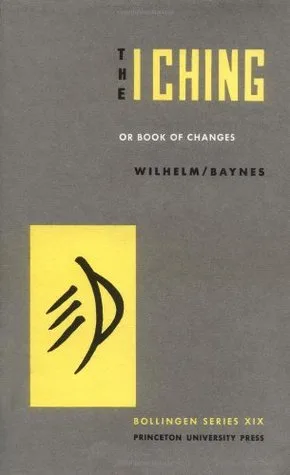
The I Ching is a foundational Chinese text structured around sixty-four hexagrams, each composed of six broken or solid lines representing yin and yang energies. The system functions as an oracular manual where readers use yarrow stalks or coins to generate specific configurations that correspond to these symbols. Each hexagram includes a primary judgment and poetic commentaries on individual lines, detailing the mechanics of change, balance, and cosmic order. The text maps out a framework for understanding how situations transition from one state to another, using imagery of natural elements like thunder, wind, mountains, and water to describe human circumstances.
This book serves practitioners of divination, scholars of Eastern philosophy, and individuals seeking a structured method for reflection. Readers use the text to identify patterns in their personal or professional lives and to determine the most effective timing for specific actions. By engaging with the hexagrams, a reader gains a vocabulary for systemic change and a method for analyzing the tension between opposing forces. It provides a technical blueprint for aligning individual behavior with the natural cycles of growth, decay, and equilibrium.
Deep, contemplative and open-ended; a demanding read.
Best for readers like The Literary Connoisseur. Which reader are you?
Insights from The I Ching or Book of Changes
“The superior man eats and drinks, is joyous and of good cheer.”
Waiting isn't just wasted time. It is a period of inner preparation. Everything happens when the momentum is finally right.
“Everything that is happening now has happened before.”
Success works like the seasons. You can't force summer to happen in the middle of winter. Forcing things only creates more friction.
“Slight design, great success.”
Small mistakes matter more when things are going well. If you get sloppy during easy times, the foundation starts to crack quietly.
“The firm and the yielding transform each other.”
Real strength feels remarkably like water. It flows around obstacles instead of smashing through them. It finds the lowest path.
- Published
- 1980
- Publisher
- Princeton University Press
- ISBN
- 9780691097503
- Language
- EN