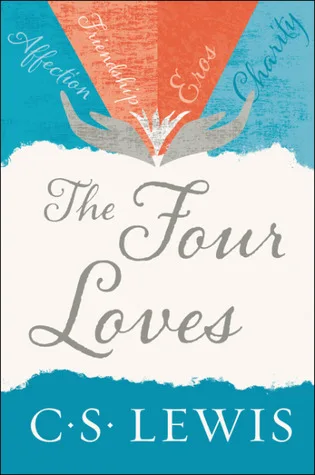
C.S. Lewis classifies human affection into four distinct categories based on Greek terminology: storge, philia, eros, and agape. He defines storge as the natural fondness found between family members, while philia describes the non-biological bond of deep friendship centered on shared interests. Eros represents the emotional and physical intensity of romantic preoccupation, which Lewis distinguishes from mere sensory desire. Finally, he presents agape as a selfless, unconditional charity that originates from a divine source. The text argues that the first three natural loves become destructive or obsessive unless they are moderated by the fourth, spiritual love.
This book serves readers interested in the intersection of Christian theology and psychological observation. It provides a framework for people who want to navigate the transition from instinctive infatuation to stable, sacrificial commitment. Readers find a rigorous analysis of how emotional attachments function in daily life, alongside warnings about the dangers of making an idol out of human relationships. The audience gains a vocabulary for identifying where their personal bonds succeed or fail according to traditional moral standards.
Deep, inward-looking and contemplative; a moderate read.
Best for readers like The Mindful Reader. Which reader are you?
- Published
- 1960
- Language
- EN