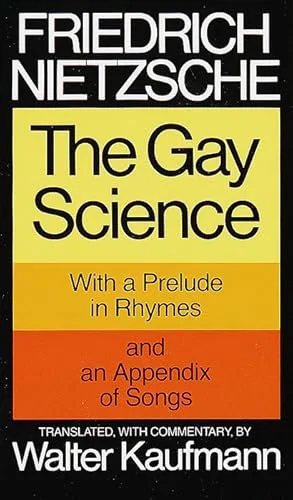
The Gay Science: With a Prelude in Rhymes and an Appendix of Songs
Friedrich Nietzsche introduces the concept of the death of God to describe the collapse of fixed moral foundations in the modern world. He argues for a joyful, experimental approach to existence through the framework of amor fati—the affirmation of life despite its inherent suffering. The text presents the doctrine of eternal recurrence as a psychological test for the individual's strength. Nietzsche rejects rigid scientific asceticism and metaphysical certainty, instead proposing a philosophy of the spirit that incorporates poetry, rhythm, and song as vital tools for intellectual liberation.
This book serves readers interested in moral philosophy and the psychological effects of secularization. It provides a roadmap for those seeking to construct personal values without relying on traditional religious or rationalist structures. The reader gains a method for practicing intellectual honesty while maintaining creative vitality. By the end, the audience learns to treat life as an aesthetic phenomenon, developing the mental discipline required to face existential nihilism with active curiosity and independence rather than despair.
- Published
- 1882
- Language
- EN
Quotes by Friedrich Nietzsche
More →The snake which cannot cast its skin has to die. As well the minds which are prevented from changing their opinions; they cease to be mind.
Daybreak
He who has a why to live for can bear almost any how.
Twilight of the Idols
And those who were seen dancing were thought to be insane by those who could not hear the music.