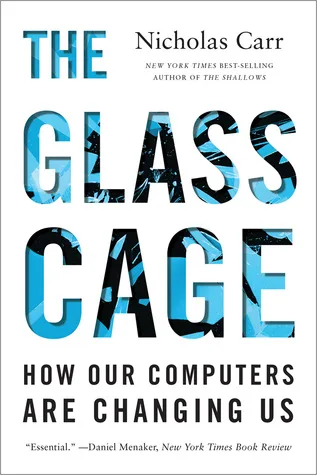
Nicholas Carr examines how software automation alters human capability and mental development. He argues that delegating complex tasks to algorithms—from commercial flight patterns to medical diagnoses—erodes our proficiency and dulls our biological senses. The text analyzes the concept of "automation complacency," where users trust computer outputs over their own observations, and "automation bias," which occurs when we stop monitoring systems because they usually perform flawlessly. Carr illustrates these shifts through case studies of GPS dependency, robotic manufacturing, and architectural design software, suggesting that we are sacrificing depth of experience for technical efficiency.
This book serves readers interested in the intersection of cognitive psychology and digital infrastructure. It appeals to software developers, educators, and professionals navigating increasingly automated workplaces. Readers gain an understanding of why specific cognitive skills atrophy when they are rarely practiced. The text provides a framework for evaluating which human tasks should remain manual to preserve expertise. By the end, the reader possesses a clearer perspective on how to integrate technology without losing personal agency or the tangible satisfaction of physical labor.
- Published
- 2014
- Language
- EN