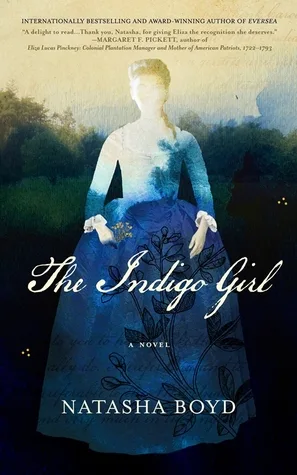
In 1739, sixteen-year-old Eliza Lucas is left in charge of three South Carolina plantations while her father pursues military ambitions in Antigua. Facing imminent financial ruin and the threat of land seizure, Eliza attempts to produce high-quality indigo dye, an incredibly difficult process then monopolized by the French. She strikes a dangerous, illicit bargain with a group of enslaved people, promising to teach them to read in exchange for their ancestral knowledge of the crop. The narrative chronicles her struggles against sabotage, legal restrictions, and the rigid social expectations of the colonial South as she fights to establish a new industry.
Historical fiction readers who value stories about industrial history and unconventional female figures will find this account of the early American economy informative. It serves those interested in the technical aspects of colonial agriculture and the complex, often exploitative power dynamics between landowners and the enslaved workforce. Readers walk away with a specific understanding of how the indigo trade shaped the wealth of the Carolinas and a factual baseline regarding the real-life Eliza Lucas Pinckney’s contributions to botanical science.
Practical and clear-cut; an easy read.
Best for readers like The Curious Generalist. Which reader are you?
- Published
- 2017
- Language
- EN