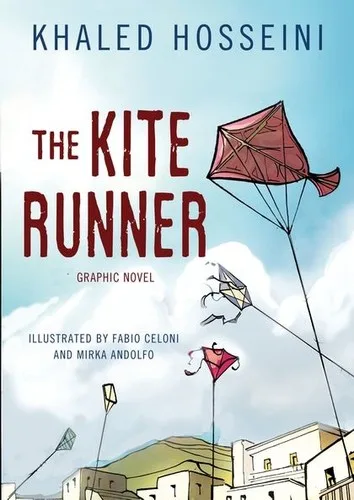
Set in Kabul during the final years of the Afghan monarchy, the story follows Amir, a privileged boy who fails to intervene when his loyal friend and servant, Hassan, is brutally assaulted after a kite-fighting tournament. This act of cowardice and the subsequent lies Amir tells to banish Hassan from his household define his life as he later flees to California to escape the Soviet invasion. Decades later, living as an immigrant in America, Amir receives a chance to return to a Taliban-controlled Afghanistan to rescue Hassan’s son and address his historical failures.
This novel attracts readers interested in the intersection of personal morality and geopolitical upheaval. It serves as a study of the psychological weight of secrets and the specific actions required to achieve atonement. Readers gain a detailed perspective on Afghan culture, the ethnic tensions between Pashtuns and Hazaras, and the reality of the refugee experience. By the end, the reader understands how childhood choices dictate adult identity and why facing a violent past is the only way to find peace.
Inward-looking; a moderate read.
Best for readers like The Empathetic Explorer. Which reader are you?
Insights from The Kite Runner
“There is a way to be good again.”
Amir watched Hassan get hurt and did nothing. That silence felt heavier than the crime itself. It shows how guilt can rot a person from the inside for decades.
“For you, a thousand times over.”
Hassan never stopped being loyal even when he was treated like a servant. His devotion was pure. It made Amir's betrayal feel so much colder.
Baba was such a giant of a man. Finding out he had his own hidden sins changed everything. Even our heroes are just flawed people trying to survive their mistakes.
Assef represents the kind of evil that never really goes away. He just changes his clothes. Seeing him resurface in the Taliban felt like a nightmare coming true.
- Published
- 2003
- Publisher
- Riverhead Books
- ISBN
- 9781594631931
- Language
- EN