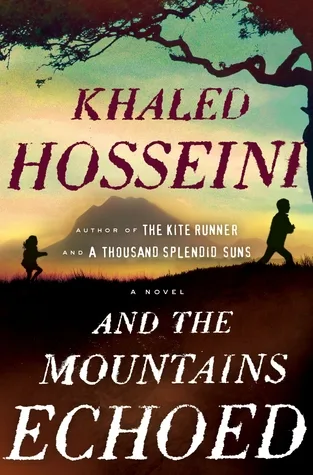
The narrative begins in 1952 Afghanistan when a father sells his young daughter, Pari, to a wealthy, childless couple in Kabul. This choice severs her connection to her older brother, Abdullah, who remains in their rural village. Across decades and continents, the plot tracks the fallout of this separation through shifting perspectives. It follows their uncle Nabi, their stepmother Parwana, and various expatriate characters in Paris and San Francisco. The story documents how the initial act of family fragmentation influences the inheritance of property, the burden of caregiving for aging relatives, and the persistent weight of half-remembered childhood attachments.
This book serves readers interested in historical fiction that emphasizes the long-term consequences of poverty and migration. It attracts those who want to understand how family structures adapt when members are scattered by economic necessity or war. Readers finish the text with a clear view of how personal decisions made in one generation dictate the emotional and financial realities of the next. It provides a detailed look at the tension between individual desires and the obligations people owe to their siblings and parents over a lifetime.
Inward-looking, contemplative and thought-provoking; a moderate read.
Best for readers like The Mindful Reader. Which reader are you?
- Published
- 2013
- Language
- EN