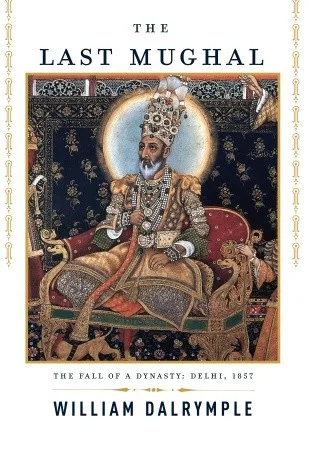
William Dalrymple chronicled the final days of Bahadur Shah Zafar II, the last emperor of the Timurid line, during the 1857 Indian Mutiny. The narrative tracks the transition of the uprising from a narrow military revolt into a widespread civil insurrection that centered on Delhi. Using Persian and Urdu sources from the Mutiny Papers, the book describes the siege of the city and the subsequent destruction of the Mughal court. It identifies the conflict as a clash between the British East India Company’s expanding evangelical Christianity and a sophisticated, pluralistic Indo-Islamic culture.
History enthusiasts interested in British colonial expansion and the decline of the Islamic empires will find this account valuable. Readers gain a detailed understanding of how the 1857 siege dismantled the cultural fabric of Delhi and ended three centuries of Mughal rule. The book provides a look at the shift from mercantile company control to direct colonial administration under the British Crown. It explains why a secular rebellion eventually adopted the rhetoric of a religious war, altering the political landscape of South Asia.
- Published
- 2006
- Language
- EN
More by William Dalrymple
See all →
Readers also enjoyed