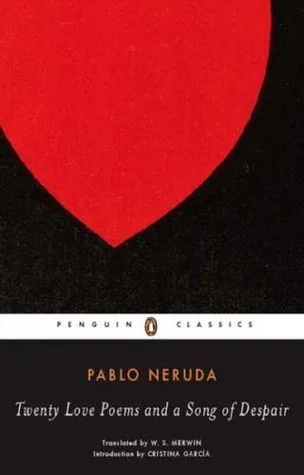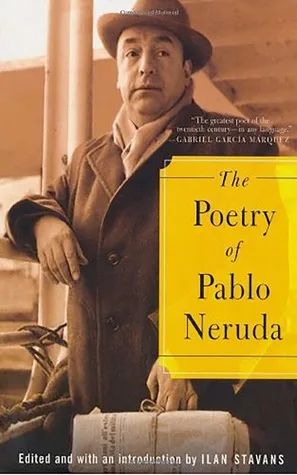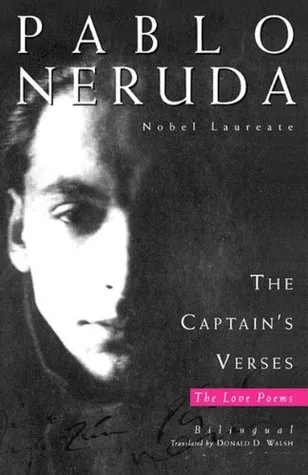
Pablo Neruda wrote these poems during his diplomatic service in Rangoon, Colombo, and Batavia. The text focuses on the disintegration of the physical world and the isolation of the individual within a decay-filled environment. Neruda utilizes surrealist imagery to describe household objects, human anatomy, and urban landscapes as they succumb to time and rust. He examines the friction between nature and industrial civilization, often centering on the weight of matter and the slow, inevitable movement of rot through the material realm.
This collection targets students of Spanish literature and readers interested in the history of surrealism. Those who study the development of 20th-century lyric poetry use these verses to observe how a poet shifts from romanticism to objective observation. The reader gains an understanding of how language can be used to catalog psychological despair and the physical entropy of the tropics. By finishing the book, the reader possesses a specific vocabulary for describing the intersection of the subconscious mind and the external, crumbling world.
- Published
- 1933
- Language
- EN