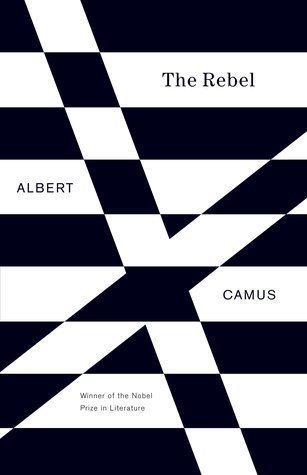
Albert Camus examines why metaphysical and historical defiance often ends in state-sanctioned violence. He traces the evolution of human protest from early religious challenges through the French Revolution and the rise of state communism. Camus distinguishes the rebel, who acts on behalf of shared human dignity and preservation, from the revolutionary, who uses ideological totality to justify mass murder. He critiques figures like Sade, Nietzsche, and Marx, arguing that absolute freedom and absolute justice both result in the destruction of the individual if they lack moral limits.
This essay attracts readers interested in political philosophy and the origins of authoritarianism. Those studying the ethics of dissent use this text to understand how to oppose injustice without becoming an oppressor. The reader gains a framework for balanced resistance, learning to prioritize human solidarity over abstract political goals. It provides a historical lens on why 20th-century political movements failed and offers a defense of moderation as a deliberate act of courage against nihilistic extremism.
Insights from The Rebel
“I rebel; therefore we exist.”
Every time someone says no to an unfair rule, they are secretly saying yes to something better. Rebellion starts with a small boundary that suddenly becomes everything.
Protesting against suffering doesn't give anyone the right to cause more of it. It is easy to let anger turn into the very thing you hate.
“Real generosity toward the future lies in giving all to the present.”
Living for a perfect future often leads to destroying the present. People justify terrible things today by dreaming of a utopia that never comes.
Murder is the ultimate limit that logic should never cross. Once you find a reason to kill, you have lost the original reason for your struggle.
- Published
- 1951
- Language
- EN
Quotes by Albert Camus
More →One must imagine Sisyphus happy.
The Myth of Sisyphus
The only way to deal with an unfree world is to become so absolutely free that your very existence is an act of rebellion.
The Rebel
In the depth of winter, I finally learned that within me there lay an invincible summer.
Return to Tipasa

![விருந்தாளி [Virunthaali]](https://kwbjoqloympvbpzbrfja.supabase.co/storage/v1/object/public/scan-images/catalog/a43d16a5-61ca-4e1b-a3c7-f8cca75fe22d-full.webp)