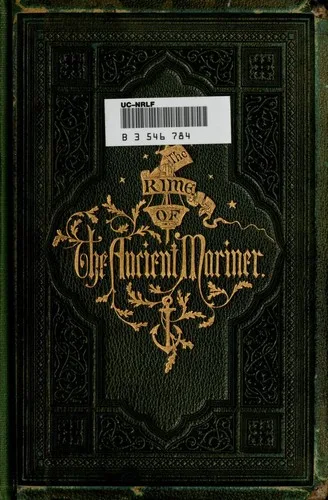
The poem chronicles a sailor’s cursed voyage after he kills an albatross without provocation. This act of violence against nature triggers a supernatural sequence where his crew dies of thirst and ghostly figures gamble for his soul. He remains trapped on a stagnant ship surrounded by corpses until he perceives the beauty of slimy sea creatures, an act of unconscious blessing that breaks his immediate spell. He spends his remaining life as a wanderer, compelled by a physical agony to recount his penance to specific strangers, teaching that all living things deserve reverence.
Readers of Romantic poetry and gothic literature study this text to observe how Coleridge utilizes the ballad form to blend archaic language with psychological horror. They find a detailed examination of survivor guilt and the theological concept of universal kinship. A reader walks away with an understanding of how nineteenth-century writers viewed the relationship between human transgression and the natural world, alongside a technical appreciation for the poem's rhythmic internal rhymes and vivid seafaring imagery.
- Published
- 1827
- Language
- EN
More by Samuel Taylor Coleridge
See all →



Readers also enjoyed