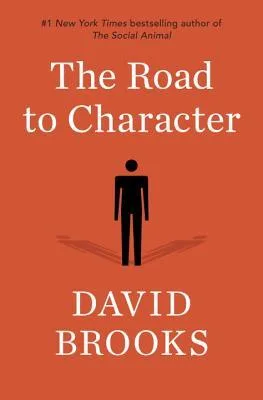
David Brooks distinguishes between resume virtues and eulogy virtues to argue that modern society overemphasizes external success at the expense of internal integrity. Central to his framework is the tension between Adam I, the career-oriented personality seeking status, and Adam II, the moral personality seeking purpose. Through biographical studies of figures like Frances Perkins, George Marshall, and Dorothy Day, Brooks illustrates how individuals build character by identifying their own flaws and engaging in a struggle against their natural impulses. He focuses on the concept of the crooked timber school of humanity, which posits that moral growth requires recognizing personal limitations and practicing self-discipline through tradition and community commitment.
Leaders and professionals read this book to pivot from a self-centric focus on achievement toward a value-based model of responsibility. It serves those in high-pressure environments who find that material milestones do not provide lasting satisfaction. Readers walk away with a vocabulary for discussing moral depth and a practical understanding of how humility and self-denial strengthen one's professional reputation. The text provides a roadmap for aligning daily actions with long-term ethical standards, helping managers cultivate a sense of duty that stabilizes their organizations during periods of crisis.
- Published
- 2015
- Language
- EN