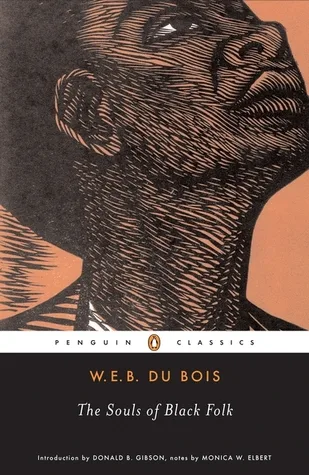
W.E.B. Du Bois presents a sociological and lyrical evaluation of the structural barriers facing African Americans at the turn of the twentieth century. He introduces the concept of double-consciousness, describing the psychological challenge of viewing oneself through the eyes of a hostile society while maintaining a distinct internal identity. Through a series of essays, the author critiques the economic focus of Booker T. Washington, argues for the importance of higher education via the Talented Tenth, and analyzes the historical impact of the Freedmen's Bureau. The text documents the persistence of the color line across labor, religion, and music.
Students of American history and political theory read this work to understand the foundational arguments of the civil rights movement. Readers gain a technical framework for analyzing racial stratification and the cultural significance of sorrow songs. The book provides a historical perspective on the transition from slavery to the Jim Crow era, offering a lens to examine how legal and social systems shape individual consciousness. A reader walks away with a concrete vocabulary for discussing the internal and external conflicts inherent in minority citizenship.
Deep; a demanding read.
Best for readers like The Deep Diver. Which reader are you?
- Published
- 1903
- Language
- EN