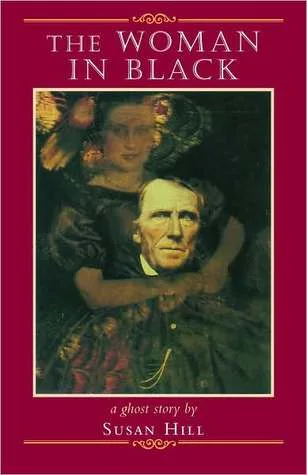
Arthur Kipps, a young solicitor, travels to the wind-swept Eel Marsh House to settle the estate of the late Alice Drablow. Isolated by the rising tide on the English coast, Kipps discovers a series of disturbing documents and hears inexplicable noises within the decaying mansion. He repeatedly encounters a wasted woman dressed in deep mourning weeds. Local villagers refuse to speak of her, but Kipps soon learns this specter is a vengeful force linked to a past tragedy. Her appearances function as a lethal omen, directly preceding the accidental deaths of children in the nearby town of Crythin Gifford.
Readers who value atmosphere and the slow escalation of dread will find this a precise exercise in the Gothic tradition. It appeals to those interested in the mechanics of a classic ghost story where the setting acts as a primary antagonist. The text provides a study of Victorian mourning rituals and the psychological toll of isolation. A reader finishes the book with a clear understanding of how historical trauma can manifest as a persistent, destructive haunting that offers no possibility of resolution or forgiveness.
Inward-looking and contemplative; a moderate read.
Best for readers like The Mindful Reader. Which reader are you?
Insights from The Woman in Black
“They asked for my story. I have told it. Enough.”
The ending hits like a physical punch. You think the danger is over because the sun is out and years have passed. Then the pony trap appears and everything shatters.
“I had seen the ghost of a mother who had lost her child.”
True horror isn't always about a monster under the bed. Sometimes it is just a woman in black standing at the edge of a park. It is the persistence of a grudge that lasts forever.
“I did not believe in ghosts. What sane man did?”
Arthur Kipps thinks he can just do his job and leave. He ignores the warnings from the locals at the funeral. Silence in a small town usually means something is very wrong.
“The house felt like a person, waiting.”
Eel Marsh House feels like a character itself. The way the tide cuts it off from the world is terrifying. You realize how vulnerable you are when nature decides to trap you.
- Published
- 1983
- Publisher
- David R. Godine, Publisher
- ISBN
- 9781567921892
- Language
- EN