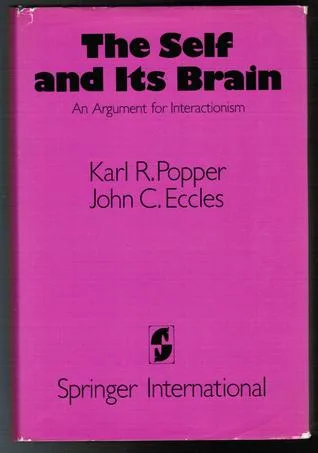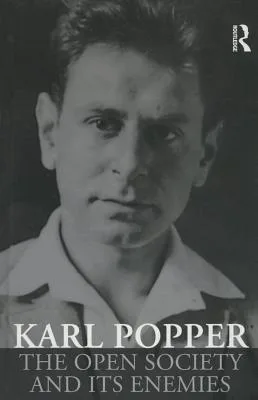
Karl Popper traces his intellectual evolution from his youth in Vienna to his tenure at the London School of Economics. Rather than focusing on private anecdotes, he documents the development of his most significant scientific and political theories. He details his rejection of induction, the formulation of his falsifiability criterion for demarcating science from pseudoscience, and his defense of the open society against totalitarian movements. The text addresses his interactions with the Vienna Circle and his specific disagreements with logical positivism and Marxism.
Students of philosophy and history read this book to understand the origins of critical rationalism directly from its creator. It serves as a technical companion to his major works, explaining how his views on objective knowledge and the fallibility of human logic emerged from specific historical conflicts. A reader finishes the book with a clear outline of Popper’s three-world ontology and a framework for evaluating scientific progress through trial and error. It provides a roadmap for applying deductive logic to both natural sciences and social structures.
- Published
- 1976
- Language
- EN