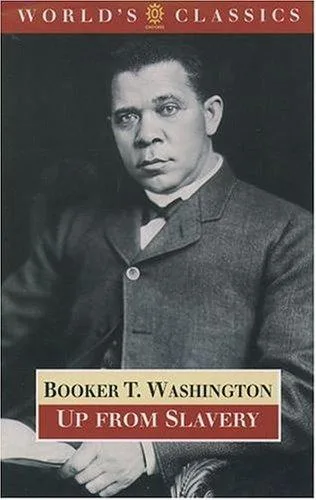
Booker T. Washington details his transition from childhood enslavement in Virginia to his role as the founding principal of the Tuskegee Institute in Alabama. He describes the physical labor of salt furnaces and coal mines, his trek to Hampton Institute, and his conviction that economic independence precedes social integration. The narrative centers on the "Atlanta Exposition Address," where Washington advocates for industrial education and vocational training. He argues that Black Americans should prioritize masonry, farming, and domestic sciences to demonstrate their utility to the Southern economy through tangible proficiency.
This memoir serves historians and students of post-Reconstruction racial politics who need to understand the philosophy of accommodationism. Readers gain a technical perspective on how institutional building occurred in the Jim Crow South through private philanthropy and self-reliance. The text provides a framework for evaluating the ideological friction between Washington’s focus on professional trade and the push for higher academic pursuits. One leaves with a clear map of the early twentieth-century debate regarding manual labor as a primary tool for civic progress.
Clear-cut; a moderate read.
Best for readers like The Escapist Adventurer. Which reader are you?
- Published
- 1900
- Language
- EN