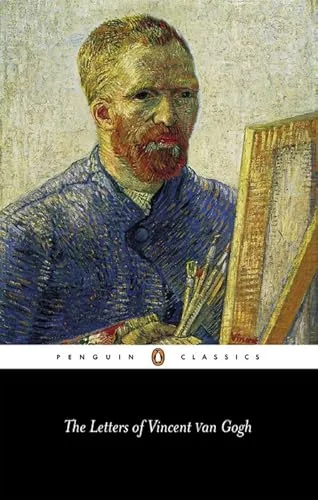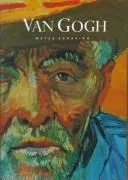
This volume catalogs the evolution of Vincent van Gogh’s technique, focusing on his transition from the somber, tonal palettes of his Dutch period to the vivid Neo-Impressionism adopted in Paris. The text analyzes his application of complementary colors and thick impasto as tools to convey psychological states rather than mere visual accuracy. Through his personal correspondence with his brother Theo, the narrative details his relocation to Arles, the establishment of the Yellow House, and his eventual confinement in Saint-Remy. The contributions document specific botanical motifs, rural landscapes, and portrait studies that define his later career.
Art historians and students of nineteenth-century aesthetics read this book to understand the specific chemical compositions of Van Gogh’s pigments and the structural development of his brushwork. Readers gain a technical perspective on how his mental health affected his productivity and the spatial organization of his canvases. The work provides a chronological framework for identifying how Japanese woodblock prints influenced his sense of perspective. By the end, the reader possesses a formal vocabulary for discussing Post-Impressionist theory and the logistical realities of a professional artist working in isolation.
Balanced in tone; a moderate read.
Best for readers like The Story Seeker. Which reader are you?
- Published
- 1914
- Language
- EN