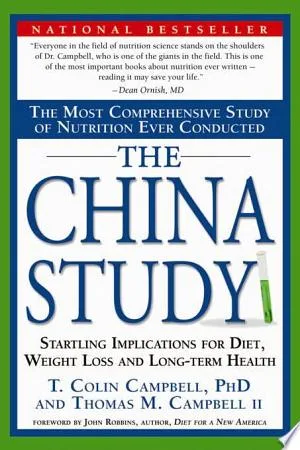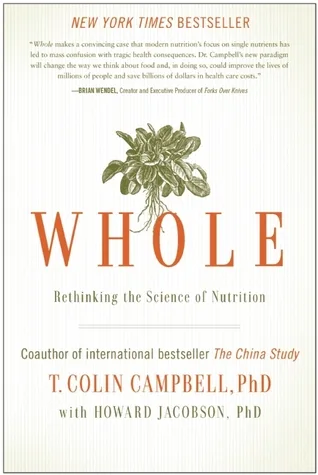
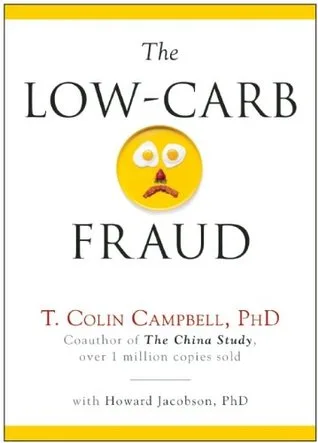
T. Colin Campbell argues that modern nutritional science is hindered by reductionism, the practice of studying individual nutrients in isolation rather than their collective effect. He contrasts this with "wholism," a framework where the body remains a complex biological system that processes whole foods differently than refined supplements or synthetic additives. Building on his previous research, Campbell explains how the biological synergy of a whole-food, plant-based diet prevents chronic disease by regulating metabolic pathways that single-nutrient studies often overlook. He also examines why the medical establishment and food industries prioritize isolated chemical findings over comprehensive dietary patterns.
This book is intended for health professionals and individuals who want to understand the systemic flaws in dietary guidelines and medical research. Readers use this text to shift their focus from counting grams of protein or milligrams of vitamins to evaluating the quality of their entire diet. People walk away with a scientific rationale for avoiding processed foods and a better understanding of how institutional funding influences public health information. It provides a technical yet accessible defense for adopting a plant-centered lifestyle based on biological complexity.
Outward-looking and growth-minded; a moderate read.
Best for readers like The Evidence Seeker. Which reader are you?
- Published
- 2013
- Language
- EN
More by T. Colin Campbell
See all →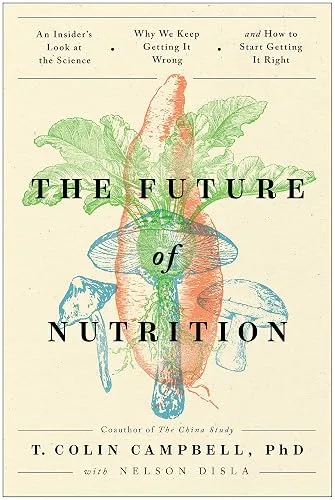
Books like Whole: Rethinking the Science of Nutrition
See all 12 →