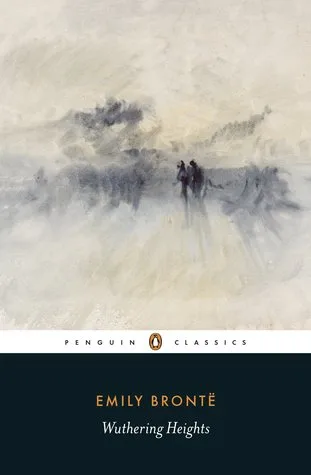
Set against the desolate Yorkshire moors, this novel follows the volatile connection between Catherine Earnshaw and the foundling Heathcliff. After Catherine chooses to marry the wealthy Edgar Linton to secure her social standing, Heathcliff disappears, returning years later as a wealthy man driven by a desire for vengeance. His actions dismantle the lives of the Linton and Earnshaw families across two generations. The narrative details how childhood attachments can harden into lifelong obsessions, fueled by class resentment and the isolation of the rural English landscape.
Readers interested in the psychological origins of toxic relationships and generational trauma will find this text useful as a case study. It serves those seeking to understand the mechanics of emotional manipulation and the long-term consequences of prioritizing social status over personal authenticity. By observing the destructive patterns of the central characters, a reader identifies the difference between healthy affection and obsessive codependency. One walks away with a clear perspective on how unresolved grief and bitterness can corrode one’s environment and future.
Deep, inward-looking and thought-provoking; a moderate read.
Best for readers like The Wisdom Collector. Which reader are you?
Insights from Wuthering Heights
“I am Heathcliff.”
Heathcliff and Catherine are essentially the same person split into two bodies. Their bond feels more like a haunting than a romance.
“I have a single wish, and my whole being and faculties are absorbed in it.”
Living for revenge turns your heart into a desert. Heathcliff wins everything but ends up wanting nothing but a grave.
“It would degrade me to marry Heathcliff now.”
Catherine chooses stability with Edgar even though she belongs to the moors. She thinks she can have both worlds but loses herself instead.
“Wuthering Heights is the name of Mr. Heathcliff's dwelling.”
The house itself feels alive and angry. It holds onto every grudge for generations until the walls seem soaked in bitterness.
- Published
- 1847
- Publisher
- Penguin
- ISBN
- 9780140430011
- Language
- EN