Books like Forensics: What Bugs, Burns, Prints, DNA and More Tell Us About Crime
12 books with a reading profile close to Forensics: What Bugs, Burns, Prints, DNA and More Tell Us About Crime by Val McDermid. Outward-looking and clear-cut; a moderate read.
-
1
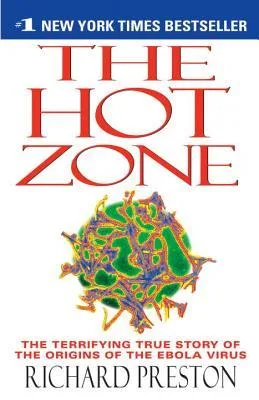
The Hot Zone: The Terrifying True Story of the Origins of the Ebola Virus
Also outward-looking and clear-cut · analytical, narrative
Richard Preston chronicles the emergence of lethal filoviruses, specifically Ebola and Marburg, from the central African rainforest into human populations.
-
2
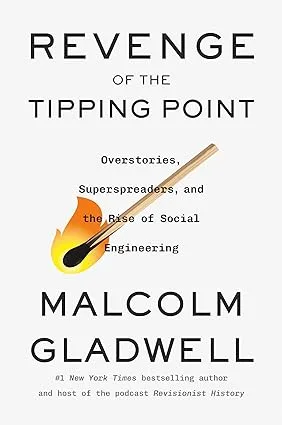
Revenge of the Tipping Point
Also outward-looking and clear-cut · analytical, narrative
Twenty-five years after his first look at social epidemics, Malcolm Gladwell revisits how ideas and behaviors spread through populations.
-
3
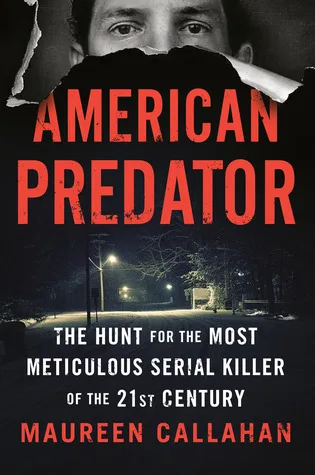
American Predator: The Hunt for the Most Meticulous Serial Killer of the 21st Century
Also outward-looking and clear-cut · analytical, narrative
Maureen Callahan recounts the investigation into Israel Keyes, a predator who functioned outside the typical behavioral patterns identified by the FBI.
-
4
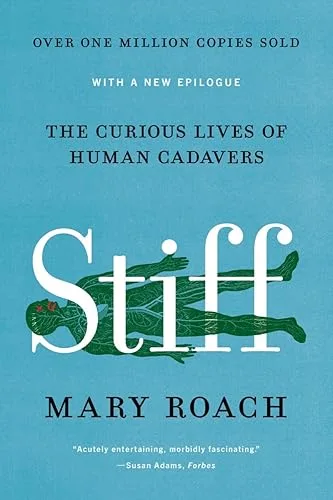
Stiff: The Curious Lives of Human Cadavers
by Mary Roach
Also outward-looking and clear-cut · analytical, narrative
Mary Roach examines the practical applications of human remains in scientific research and historical experimentation.
-
5
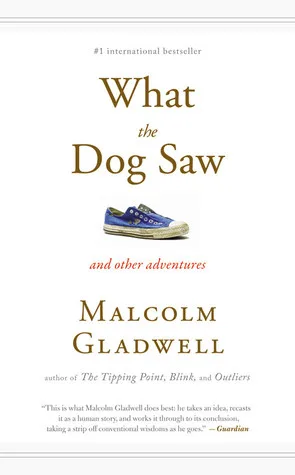
What the Dog Saw and Other Adventures
Also outward-looking · analytical, narrative
Malcolm Gladwell’s collection compiles his journalism from The New Yorker, focusing on how minor peculiarities in behavior or design dictate large-scale outcomes.
-
6
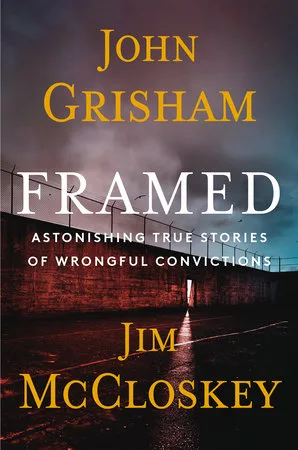
Framed: Astonishing True Stories of Wrongful Convictions
by John Grisham
Also clear-cut · analytical, narrative
John Grisham and Jim McCloskey chronicle ten specific legal cases where the American justice system failed, leading to the imprisonment of innocent individuals.
-
7
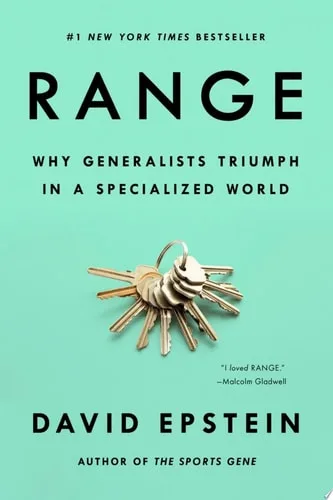
Range
Also outward-looking · analytical, narrative
David Epstein argues against the cult of early specialization, contending that a head start in a narrow field often leads to stagnation rather than mastery.
-
8
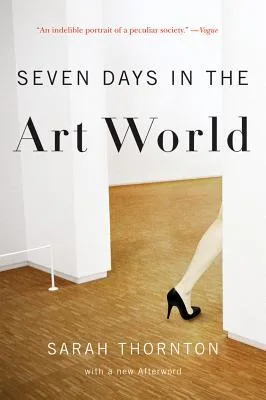
Seven Days in the Art World
Also outward-looking · analytical, narrative
Sarah Thornton’s narrative provides an ethnographic study of the contemporary art market during its mid-2000s peak.
-
9
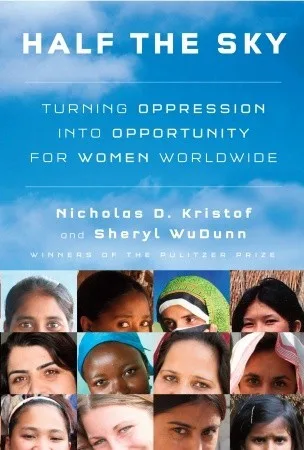
Half the Sky: Turning Oppression into Opportunity for Women Worldwide
Also clear-cut · analytical, narrative
Nicholas Kristof and Sheryl WuDunn argue that the systematic subordination of women is the central moral challenge of the modern era.
-
10
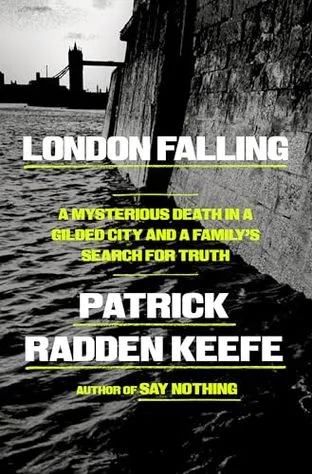
LONDON FALLING
analytical, narrative
Patrick Radden Keefe reconstructs the investigation into the unexplained death of a nineteen-year-old Londoner whose public identity masked a complex private existence.
-
11
Outliers: The Story of Success
Also outward-looking and clear-cut · analytical, narrative
Malcolm Gladwell argues that high achievers are not self-made figures but products of hidden advantages and specific timing.
-
12
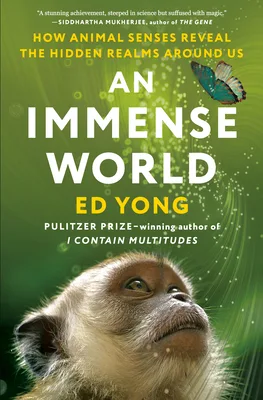
An Immense World: How Animal Senses Reveal the Hidden Realms Around Us
by Ed Yong
Also outward-looking and clear-cut · analytical, narrative
Ed Yong introduces the concept of the Umwelt—the unique sensory bubble that defines how every organism perceives its environment.
Get picks matched to your own reading on papr.
Get papr
