Books like Freakonomics: A Rogue Economist Explores the Hidden Side of Everything
12 books with a reading profile close to Freakonomics: A Rogue Economist Explores the Hidden Side of Everything by Steven D. Levitt. Outward-looking; a moderate read.
-
1
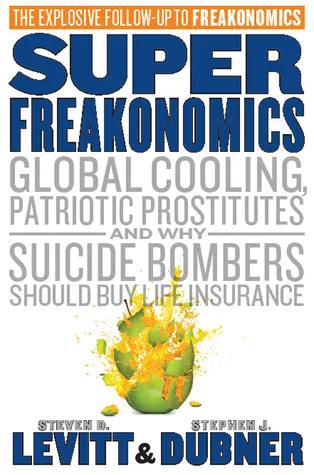
SuperFreakonomics: Global Cooling, Patriotic Prostitutes And Why Suicide Bombers Should Buy Life Insurance
Also outward-looking · analytical, economics
Steven Levitt and Stephen Dubner apply microeconomic principles to unconventional human behaviors, arguing that people respond directly to incentives regardless of moral implications.
-
2
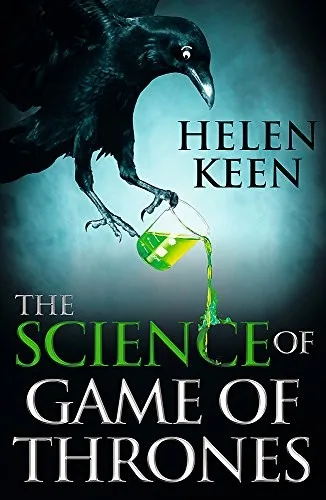
The science of Game of thrones
by Helen Keen
Also outward-looking · analytical, accessible
Helen Keen investigates the technical and historical realities behind George R.R.
-
3
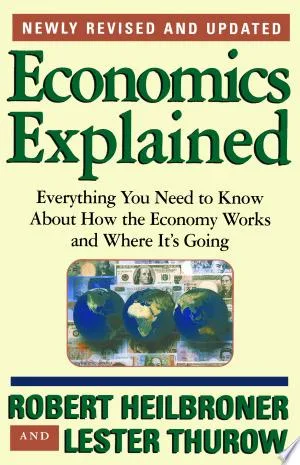
Economics Explained
by Robert L. Heilbroner, Lester Thurow
Also outward-looking · analytical, economics
Robert Heilbroner and Lester Thurow provide a foundational breakdown of how capital, labor, and markets operate within a modern society.
-
4
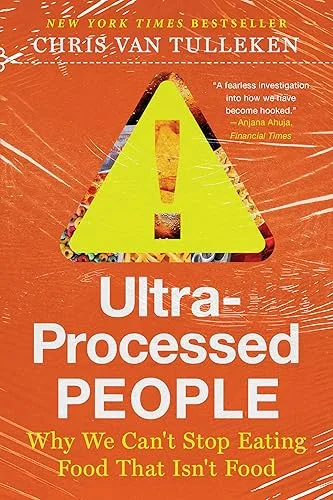
Ultra-Processed People: Why We Can't Stop Eating Food That Isn't Food
Also outward-looking · analytical, accessible
Chris van Tulleken examines the rise of Ultra-Processed People (UPP) and the industrial manufacturing methods that create substances designed for overconsumption.
-
5
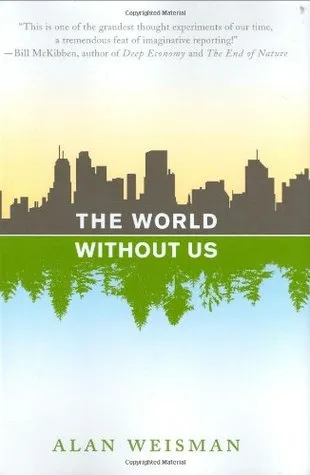
The World Without Us
by Alan Weisman
Also outward-looking · analytical, accessible
Alan Weisman presents a thought experiment regarding the physical fate of the Earth following the sudden disappearance of the human race.
-
6
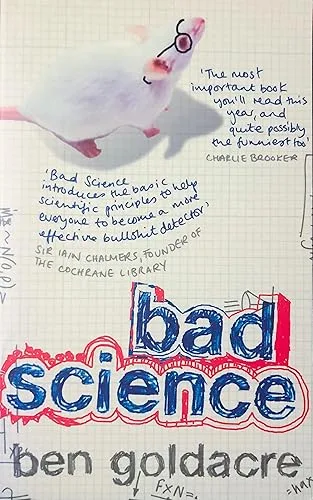
Bad Science
by Ben Goldacre
Also outward-looking · analytical, accessible
Ben Goldacre dismantles the misuse of statistics and clinical evidence by nutritionists, pharmaceutical companies, and the mainstream media.
-
7
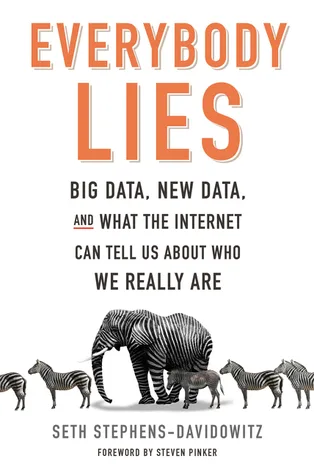
Everybody Lies: Big Data, New Data, and What the Internet Can Tell Us About Who We Really Are
Also outward-looking · analytical, accessible
Seth Stephens-Davidowitz argues that traditional surveys and public statements are unreliable because people constantly filter their responses to appear socially acceptable.
-
8
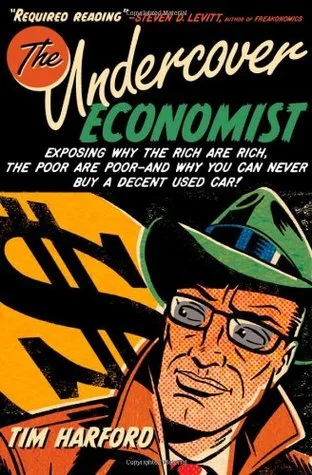
The Undercover Economist
by Tim Harford
Also outward-looking · analytical, economics
Tim Harford explains how price discrimination, scarcity power, and information asymmetry dictate the costs of daily life.
-
9
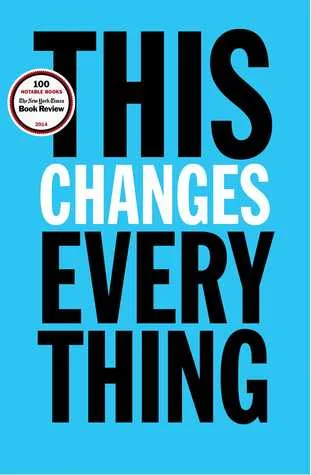
This Changes Everything: Capitalism vs. The Climate
by Naomi Klein
Also outward-looking · analytical, economics
Naomi Klein argues that the current global economic model and the survival of the planetary ecosystem are fundamentally at odds.
-
10
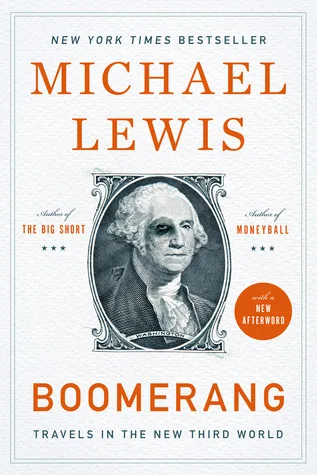
Boomerang: Travels in the New Third World
Also outward-looking · analytical, economics
Michael Lewis tracks the global aftermath of the 2008 financial crisis by visiting nations that experienced extreme credit bubbles.
-
11
Algorithms to Live By: The Computer Science of Human Decisions
Also outward-looking · analytical, accessible
Brian Christian and Tom Griffiths explain how mathematical principles used in computer science apply to human dilemmas.
-
12
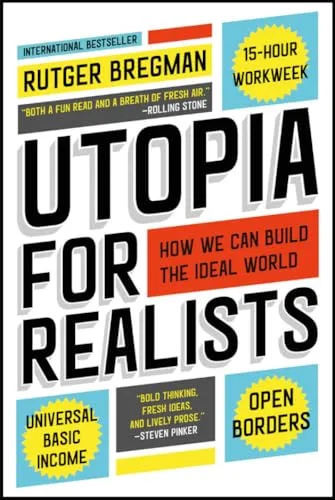
Utopia for Realists: How We Can Build the Ideal World
Also outward-looking · analytical, economics
Rutger Bregman argues that modern society has lost its capacity for visionary thinking and proposes three specific policies to reclaim progress.
Get picks matched to your own reading on papr.
Get papr
