Books like Personality Types
12 books with a reading profile close to Personality Types by Daryl Sharp. Inward-looking; a moderate read.
-
1
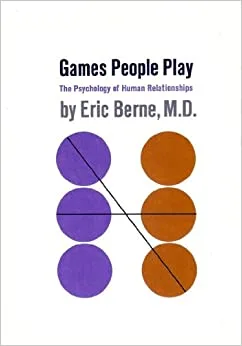
Games People Play
by Eric Berne
Also inward-looking · theoretical, accessible
Eric Berne introduces Transactional Analysis as a method for dissecting social interactions into three ego states: Parent, Adult, and Child.
-
2

On Death and Dying: What the Dying Have to Teach Doctors, Nurses, Clergy and Their Own Families
Also inward-looking · theoretical, accessible
In this seminal study, Elisabeth Kübler-Ross introduces the five stages of grief—denial, anger, bargaining, depression, and acceptance—based on her observations of terminally ill patients.
-
3

Sex at Dawn: The Prehistoric Origins of Modern Sexuality
theoretical, accessible
Christopher Ryan and Cacilda Jethá argue that humans are not naturally monogamous but evolved in egalitarian, promiscuous hunter-gatherer groups.
-
4

The Man Who Mistook His Wife for a Hat and Other Clinical Tales
by Oliver Sacks
Also inward-looking · theoretical, accessible
Oliver Sacks chronicles twenty-four case studies of individuals living with significant neurological deviations.
-
5
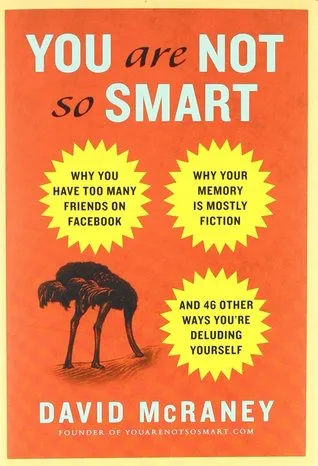
You Are Not So Smart
accessible, psychology
Every decision you make is filtered through common cognitive defects that distort your perception of reality.
-
6
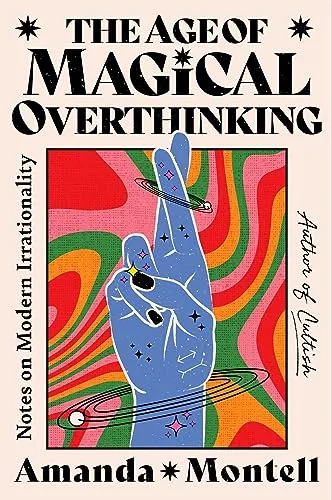
The Age of Magical Overthinking: Notes on Modern Irrationality
Also inward-looking · accessible, psychology
In this collection of essays, Amanda Montell examines how the human brain’s evolved cognitive biases clash with the information glut of the digital era.
-
7

Many Lives, Many Masters: The True Story of a Prominent Psychiatrist, His Young Patient, and the Past Life Therapy That Changed Both Their Lives
Also inward-looking · accessible, psychology
Brian Weiss, a psychiatrist trained in conventional methods, describes the case of a young patient named Catherine who came to him with anxiety and phobias.
-
8
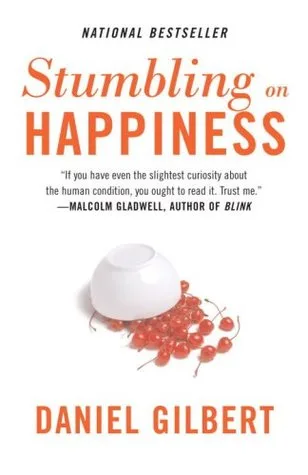
Stumbling on Happiness
accessible, psychology
Daniel Gilbert argues that the human brain lacks the hardware to accurately predict what will provide future satisfaction.
-
9

The Boy Who Was Raised as a Dog: And Other Stories from a Child Psychiatrist's Notebook
Also inward-looking · accessible, psychology
Bruce Perry illustrates how extreme trauma and neglect reshape the physical architecture of the developing human brain.
-
10
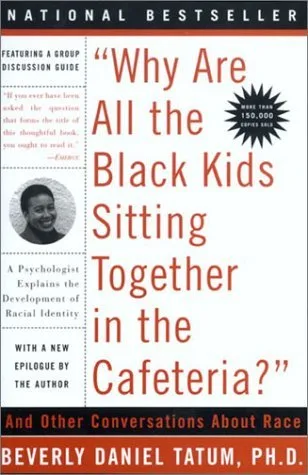
Why Are All The Black Kids Sitting Together in the Cafeteria?
accessible, psychology
Beverly Daniel Tatum uses clinical psychology and developmental frameworks to explain how racial identity forms in a society shaped by systemic inequality.
-
11
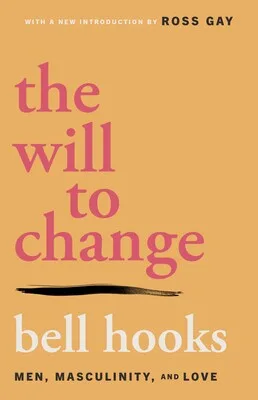
The Will to Change: Men, Masculinity, and Love
by bell hooks
Also inward-looking · theoretical, psychology
In this 2003 work, bell hooks examines the psychological toll of patriarchy on men, arguing that traditional masculine socialization forces boys to undergo a "psychic self-mutilation" by severing their connection to the…
-
12

Dopamine Nation: Finding Balance in the Age of Indulgence
by Anna Lembke
accessible, psychology
In Dopamine Nation, psychiatrist Anna Lembke explains how the modern world keeps the brain in a state of high-arousal addiction through constant access to digital media, processed foods, and shopping.
Get picks matched to your own reading on papr.
Get papr
