Books like Talking to Strangers: What We Should Know About the People We Don't Know
12 books with a reading profile close to Talking to Strangers: What We Should Know About the People We Don't Know by Malcolm Gladwell. Balanced in tone; a moderate read.
-
1
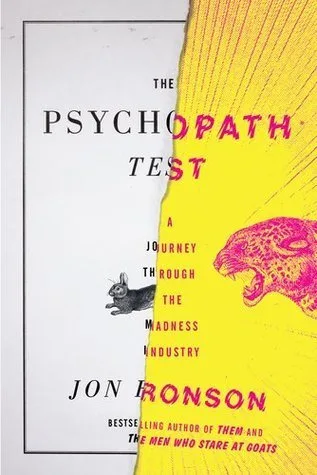
The Psychopath Test: A Journey Through the Madness Industry
by Jon Ronson
analytical, narrative
Jon Ronson begins his investigation with a mysterious puzzle sent to academics, which leads him to the Hare Psychopathy Checklist, a twenty-point diagnostic tool used by clinicians and parole boards.
-
2
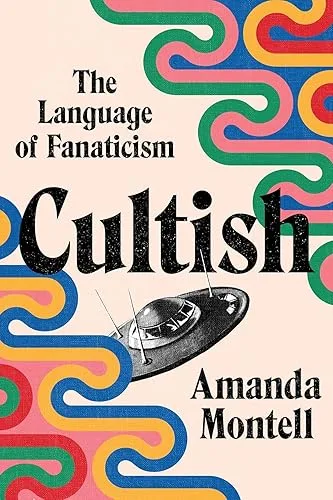
Cultish: The Language of Fanaticism
analytical, narrative
Amanda Montell examines how linguistic techniques such as "though-terminating clichés," redefinition of common words, and loaded labels create psychological bridges between mainstream life and extremist groups.
-
3
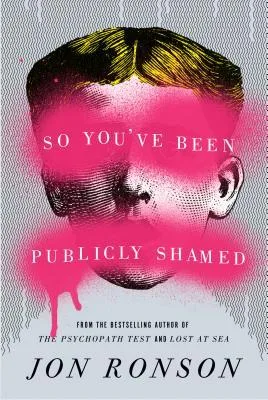
So You've Been Publicly Shamed
by Jon Ronson
analytical, narrative
Jon Ronson investigates the mechanics of modern digital shaming by interviewing individuals whose lives were dismantled by viral social media backlashes.
-
4
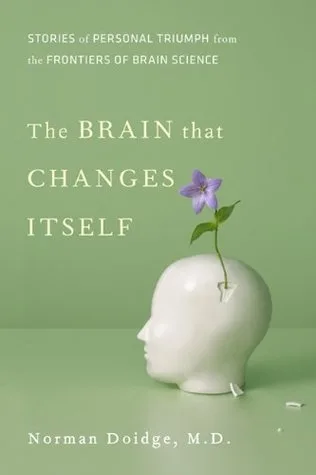
The Brain that Changes Itself: Stories of Personal Triumph from the Frontiers of Brain Science
analytical, narrative
Norman Doidge presents the science of neuroplasticity, challenging the long-held anatomical belief that the adult brain is a rigid, fixed machine.
-
5

David and Goliath: Underdogs, Misfits, and the Art of Battling Giants
analytical, narrative
Malcolm Gladwell reinterprets the biblical battle between David and Goliath to demonstrate how perceived weaknesses can function as strategic advantages.
-
6
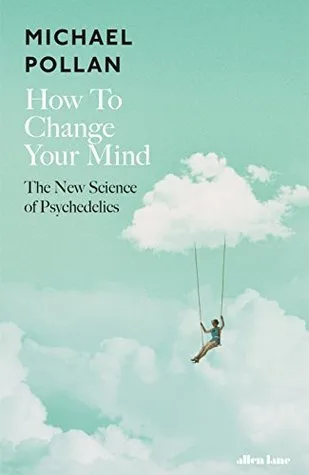
How to Change Your Mind: The New Science of Psychedelics
analytical, narrative
Michael Pollan chronicles the resurgence of clinical research into lysergic acid diethylamide (LSD) and psilocybin, tracing their transition from fifties psychiatric tools to prohibited counterculture symbols.
-
7

Blink: The Power of Thinking Without Thinking
analytical, narrative
Malcolm Gladwell examines the cognitive process of rapid cognition, where the brain makes split-second decisions based on limited data.
-
8
Men Explain Things to Me
analytical, narrative
Rebecca Solnit’s essay collection centers on the systematic silencing of women in public and private spheres.
-
9
-
10
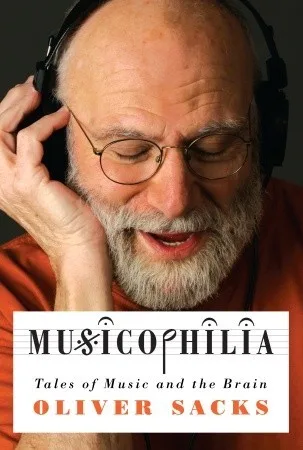
Musicophilia: Tales of Music and the Brain
by Oliver Sacks
narrative, accessible
Oliver Sacks investigates the neurological mechanisms that process melody, rhythm, and pitch by documenting patients with extreme musical conditions.
-
11
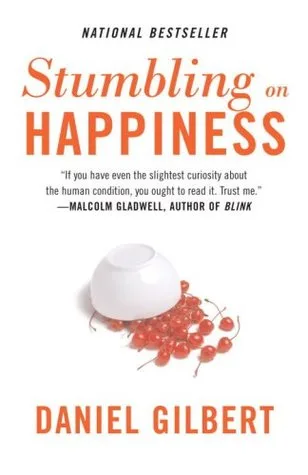
Stumbling on Happiness
analytical, accessible
Daniel Gilbert argues that the human brain lacks the hardware to accurately predict what will provide future satisfaction.
-
12
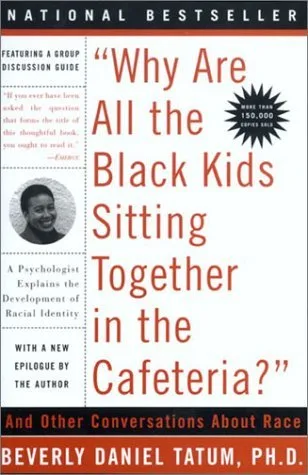
Why Are All The Black Kids Sitting Together in the Cafeteria?
analytical, accessible
Beverly Daniel Tatum uses clinical psychology and developmental frameworks to explain how racial identity forms in a society shaped by systemic inequality.
Get picks matched to your own reading on papr.
Get papr
