Books like The Upside of Irrationality: The Unexpected Benefits of Defying Logic at Work and at Home
12 books with a reading profile close to The Upside of Irrationality: The Unexpected Benefits of Defying Logic at Work and at Home by Dan Ariely. Clear-cut; an easy read.
-
1
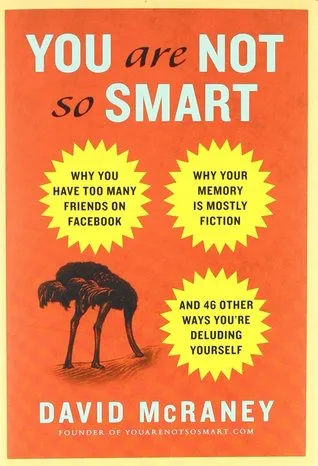
You Are Not So Smart
Also clear-cut · accessible, psychology
Every decision you make is filtered through common cognitive defects that distort your perception of reality.
-
2
Predictably Irrational: The Hidden Forces That Shape Our Decisions
by Dan Ariely
Also clear-cut · economics, accessible
Dan Ariely challenges the economic assumption that humans behave as rational agents who always maximize utility.
-
3
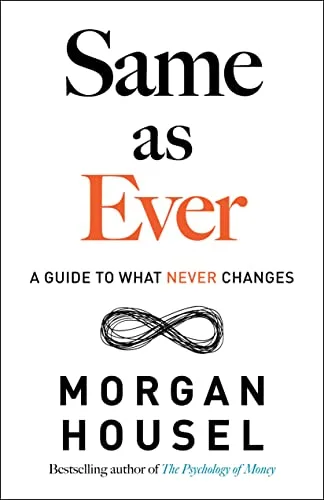
Same as Ever: A Guide to What Never Changes
economics, accessible
History consists of unpredictable events, but human behavior remains a constant through time.
-
4
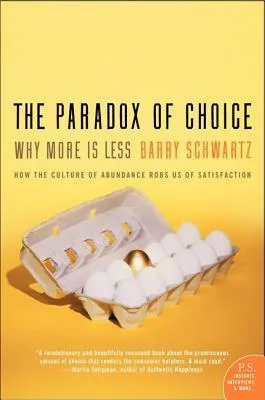
The Paradox of Choice: Why More Is Less
economics, accessible
In contemporary markets, the explosion of product variety—from hundred-flavor soda fountains to endless healthcare plans—backfires on the consumer.
-
5

The Psychology of Money: Timeless Lessons on Wealth, Greed, and Happiness
economics, accessible
Morgan Housel argues that financial success depends less on mathematical intelligence and more on behavioral discipline.
-
6

NurtureShock: New Thinking About Children
by Po Bronson
Also clear-cut · accessible, psychology
Po Bronson and Ashley Merryman argue that many modern parenting strategies backfire because they rely on outdated assumptions rather than neurological and behavioral data.
-
7

The Sociopath Next Door
by Martha Stout
Also clear-cut · accessible, psychology
Martha Stout argues that one in twenty-five people lacks a conscience, meaning they experience no guilt or remorse regardless of their actions.
-
8
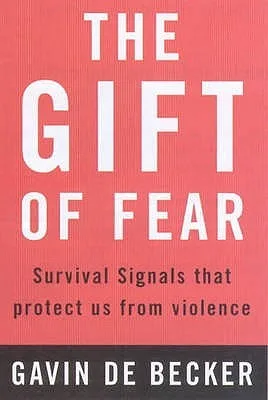
The Gift of Fear: Survival Signals That Protect Us from Violence
Also clear-cut · accessible, psychology
Gavin de Becker argues that true intuition is a biological survival mechanism rather than an irrational emotion.
-
9
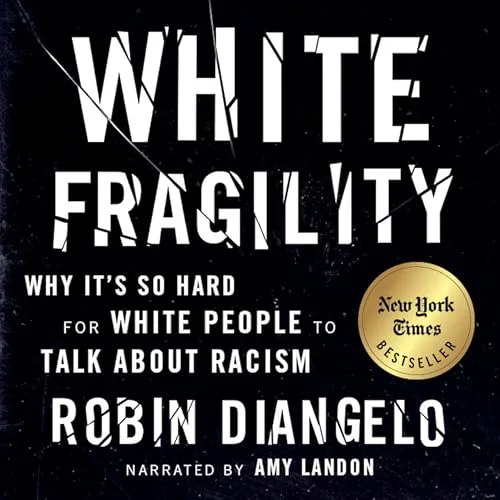
White Fragility: Why It's So Hard for White People to Talk About Racism
Also clear-cut · accessible, psychology
Robin DiAngelo defines white fragility as a state in which even a minimum amount of racial stress becomes intolerable, triggering a range of defensive moves including anger, fear, and guilt.
-
10

The Good Psychopath's Guide to Success
Also clear-cut · accessible, psychology
Psychologist Kevin Dutton and former SAS soldier Andy McNab argue that specific psychopathic traits—such as ruthlessness, charm, fearlessness, and focus—can be dialed up or down like sliders on a mixing desk to achieve…
-
11
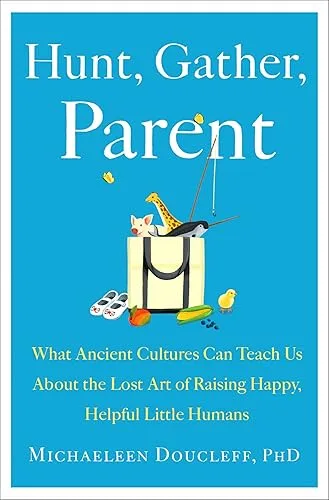
Hunt, Gather, Parent: What Ancient Cultures Can Teach Us About the Lost Art of Raising Happy, Helpful Little Humans
Also clear-cut · accessible, psychology
Frustrated by the constant power struggles and tantrums of modern parenting, Michaeleen Doucleff traveled to Maya, Inuit, and Hadzabe communities to observe traditional child-rearing practices.
-
12
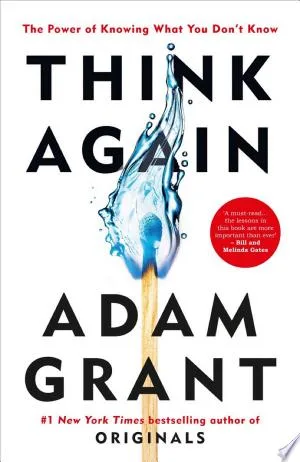
Think Again
by Adam Grant
Also clear-cut · accessible, psychology
Adam Grant argues that mental flexibility is a distinct skill set involving the constant unlearning of outdated convictions.
Get picks matched to your own reading on papr.
Get papr
