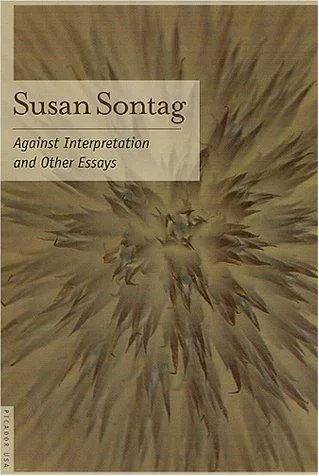
Susan Sontag’s 1966 collection of essays challenges the traditional method of analyzing art through intellectual translation. She argues that the modern obsession with decoding symbols and excavating hidden meanings destroys the immediate sensory experience of a work. Focusing on cinema, theater, and literature, Sontag analyzes the aesthetics of Camp, the films of Jean-Luc Godard, and the writing of Albert Camus. She builds a framework for an erotics of art, prioritizing the formal surface and emotional vibrancy over the search for psychological or sociological subtext.
This text serves students of cultural theory and readers interested in the mechanics of twentieth-century modernism. It attracts those who want to understand how style functions as a primary vehicle for meaning rather than a mere decorative layer. Readers walk away with a vocabulary for discussing the sensory qualities of media without relying on reductive interpretations. By the final page, the audience realizes how to engage with art directly through its form, moving beyond the reflex to explain away a creator's intent.
- Published
- 1966
- Language
- EN
More by Susan Sontag
See all →
Readers also enjoyed