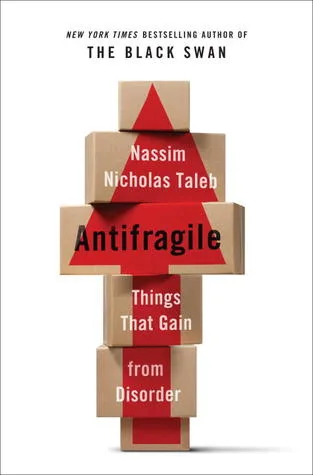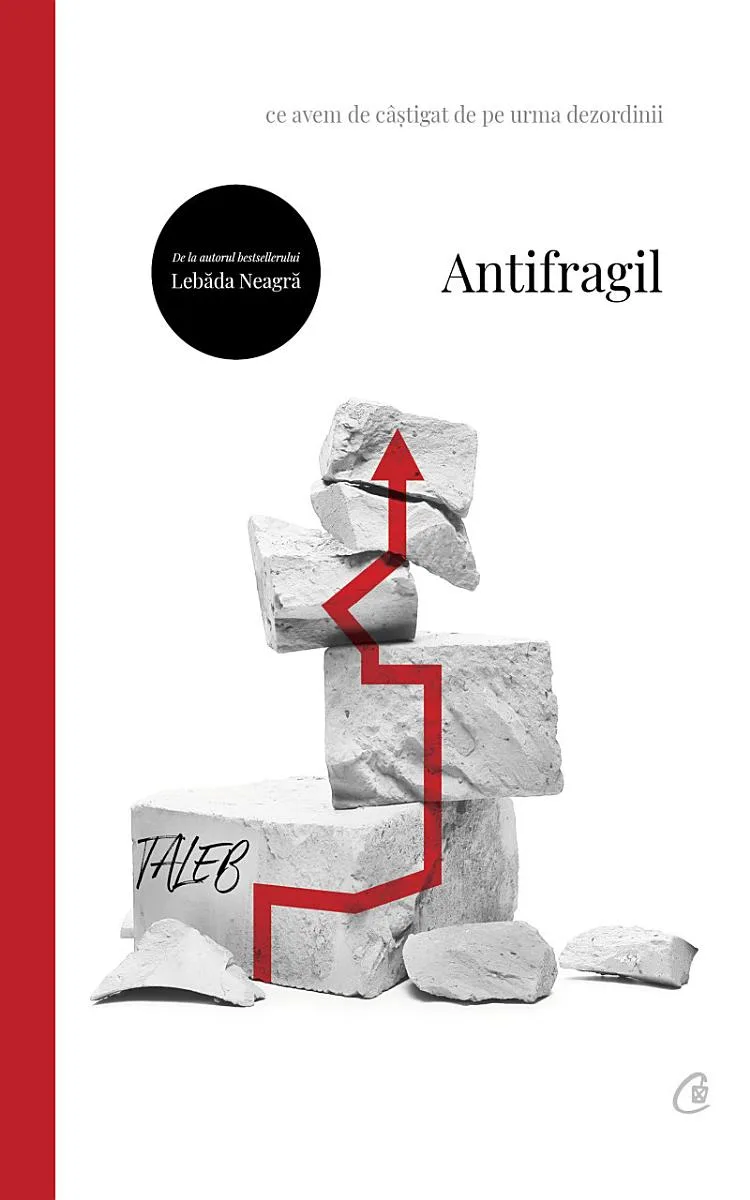
Nassim Nicholas Taleb introduces a tripartite classification of systems characterized by how they respond to volatility: the fragile, the robust, and the antifragile. While fragile objects break under pressure and robust ones merely resist it, antifragile entities actually improve when subjected to stressors, shocks, and randomness. The text applies this framework to biology, medicine, and global economics, arguing that eliminating fluctuation often leads to catastrophic failure. Taleb advocates for trial and error, decentralization, and the preservation of optionality to survive unexpected Black Swan events.
Business leaders and risk managers read this book to understand why over-optimized systems are prone to collapse. Readers walk away with specific heuristics, such as the Barbell Strategy, which involves balancing extreme risk aversion with small, high-reward bets. The book provides a practical vocabulary for navigating uncertainty, helping individuals build structures that profit from chaos rather than being destroyed by it. It serves as a manual for making decisions when the future remains fundamentally unpredictable.
Insights from Antifragil
“Vântul stinge lumânarea, dar ațâță focul.”
Am realizat că haosul ne face bine uneori. Sistemele vii au nevoie de șocuri mici ca să nu se prăbușească de tot.
Încercarea de a elimina orice risc ne face mai vulnerabili. Prea multă stabilitate ascunde pericole uriașe pe termen lung.
“Iatrogenia este răul făcut de vindecător.”
Intervențiile constante ale experților pot strica echilibrul natural. Uneori, cel mai bun ajutor este să nu faci nimic.
Opționalitatea este cheia libertății în viitor. E mai bine să ai opțiuni deschise decât un plan rigid și perfect.
- Publisher
- Curtea Veche Publishing
- ISBN
- 9786064404367
- Language
- RO