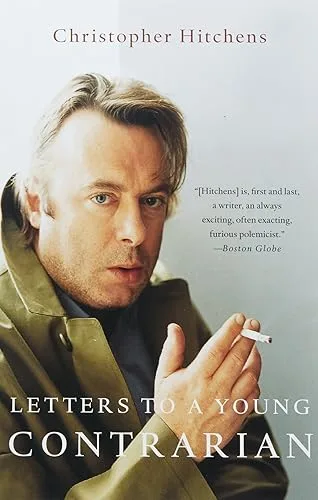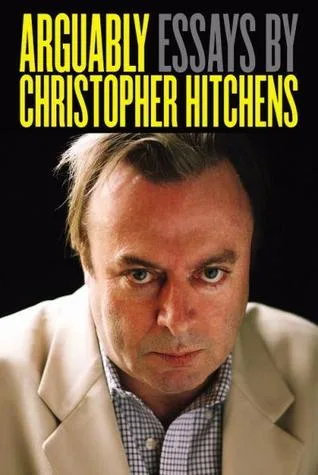
Arguably gathers over one hundred pieces of journalism and literary criticism, representing the final major collection of Christopher Hitchens’s career. The writings span the early twenty-first century, focusing on geopolitical shifts following the September 11 attacks, the rise of religious fundamentalism, and the moral failures of public figures like Henry Kissinger. Hitchens analyzes the historical impact of the American Revolution and Thomas Jefferson while providing forensic dissections of authors ranging from George Orwell to Philip Larkin. He addresses specific legal debates regarding the definition of torture and the persistence of the fatwa against Salman Rushdie.
This collection serves readers interested in secular humanism, transatlantic politics, and the craft of the polemic. Those who study rhetorical strategies read it to see how a writer defends unpopular positions using irony and historical precedent. A reader walks away with a refined understanding of how personal liberty often conflicts with institutional authority. The book functions as a manual for skeptical inquiry, providing the historical context necessary to question official narratives in both literature and statecraft.
Deep and outward-looking; a moderate read.
Best for readers like The Evidence Seeker. Which reader are you?
- Published
- 2011
- Language
- EN