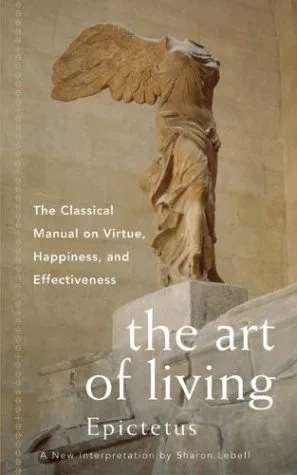
Epictetus argues that human suffering stems from confusing things under our control with things that are not. The text centers on the concept of prohairesis, or the moral will, emphasizing that while we cannot govern external events like health, reputation, or wealth, we possess absolute authority over our own judgments and intentions. Through dialogues recorded by his student Arrian, the former slave turned philosopher details how to apply logic to daily impressions, maintaining equanimity by refusing to assign value to any circumstance outside the mind’s direct choice.
Individuals seeking a practical framework for emotional resilience read this book to develop a disciplined mental faculty. It appeals to those looking for concrete methods to handle anxiety, social pressure, and grief by stripping away subjective interpretations of reality. The reader walks away with a toolkit for cognitive self-regulation, learning to distinguish between their own character and the uncontrollable fluctuations of the external world. These writings provide a roadmap for achieving personal freedom through the rigorous management of one's internal responses.
Deep and contemplative; a demanding read.
Best for readers like The Wisdom Collector. Which reader are you?
- Language
- EN
Quotes by Epictetus
More →It is not what happens to you, but how you react to it that matters.
Discourses
In the middle of difficulty lies opportunity.
Discourses