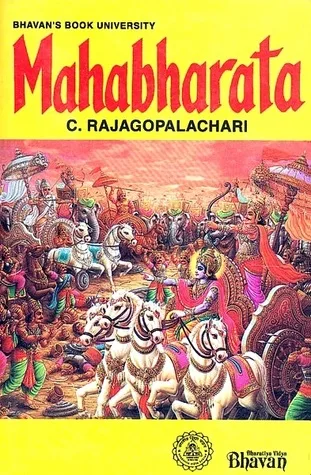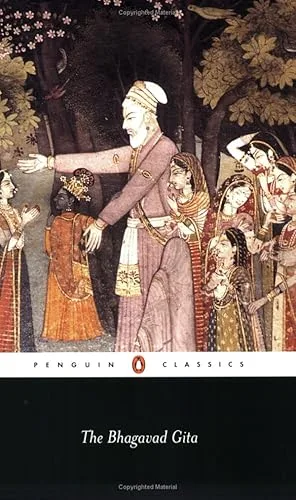
The Bhagavad Gita documents a dialogue between Prince Arjuna and the deity Krishna on the battlefield of Kurukshetra. Facing a moral crisis regarding the slaughter of his kin, Arjuna seeks guidance on his duty. Krishna responds by explaining the immortality of the soul and the necessity of action without attachment to results. The text outlines three distinct paths to realization: Karma Yoga, the path of selfless action; Bhakti Yoga, the path of devotion; and Jnana Yoga, the path of intellectual knowledge. It provides a technical framework for disciplined meditation and self-mastery.
Readers interested in Eastern philosophy and ethics study this text to understand the mechanics of decision-making under stress. It serves those seeking a structured approach to reconciling worldly responsibilities with inward focus. A reader learns how to categorize different states of being and how to observe personal impulses with detachment. The work provides a blueprint for maintaining inner composure while executing external obligations.
Deep, inward-looking and contemplative; a demanding read.
Best for readers like The Wisdom Collector. Which reader are you?
- Language
- EN