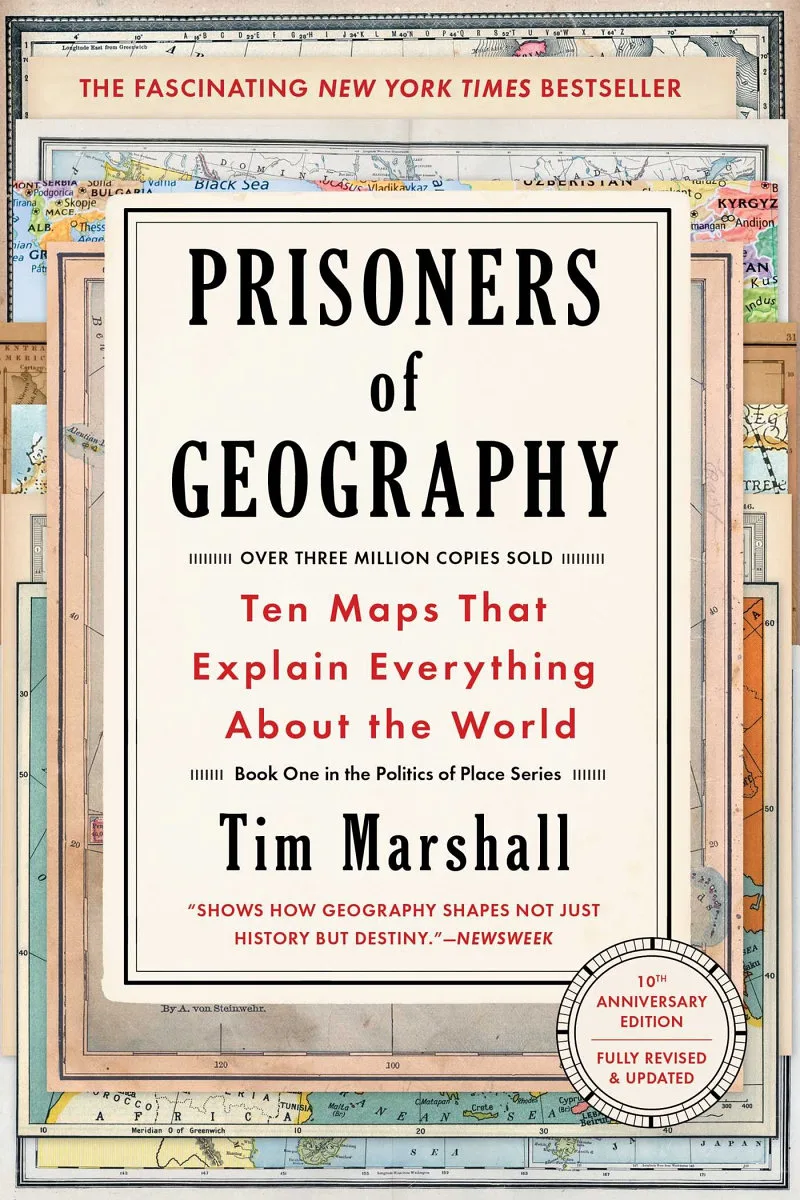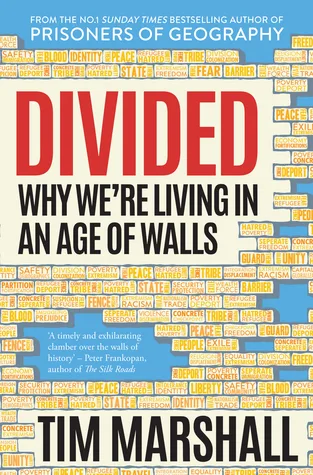
Tim Marshall examines the physical and psychological barriers defining the twenty-first century, arguing that despite the growth of the internet and global trade, the world is becoming more fractured. He details specific sites of separation, such as the walls between Israel and Palestine, the fencing along the U.S.-Mexico border, and the internal religious and economic partitions in India and China. The text focuses on how these boundaries arise from anxieties over national identity, migration, and wealth inequality, serving as tangible responses to the perceived threats of globalization.
Readers interested in international relations and human geography choose this book to understand why nations are retreating into tribalism. It appeals to those who want a clear mapping of current geopolitical tensions without academic jargon. A reader finishes the book with a factual foundation for why governments invest in concrete infrastructure to manage social conflict. It provides a sobering look at how the dream of a borderless world has been replaced by a reality of reinforced limits and gatekeeping.
Outward-looking and clear-cut; a moderate read.
Best for readers like The Practical Optimizer. Which reader are you?
- Published
- 2018
- Language
- EN