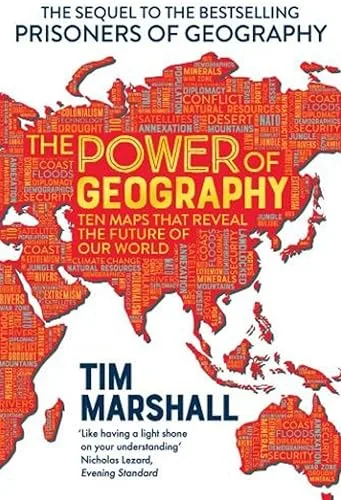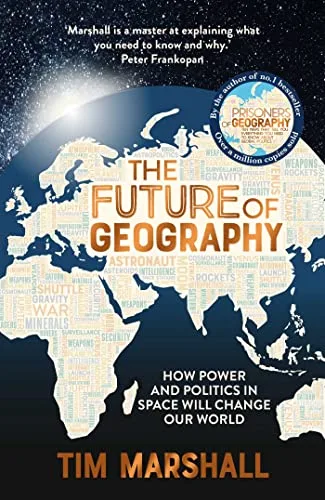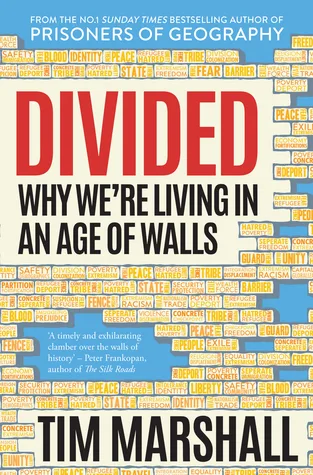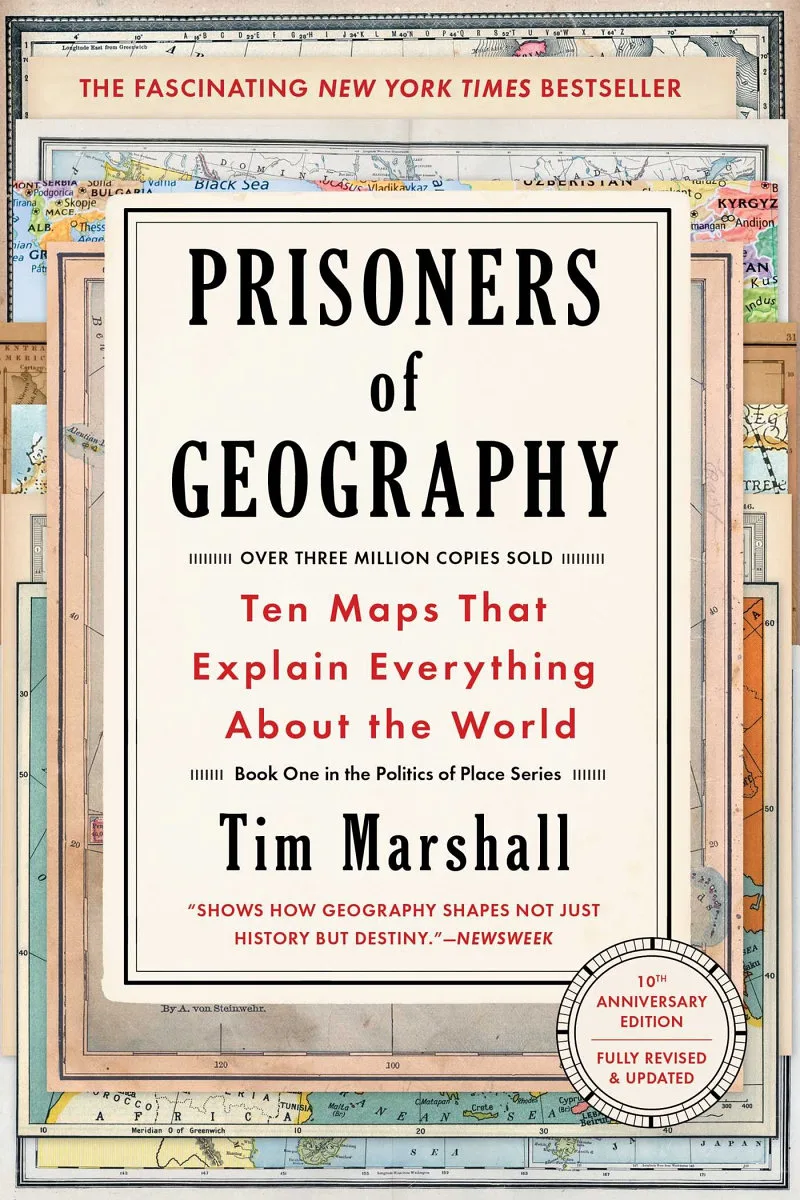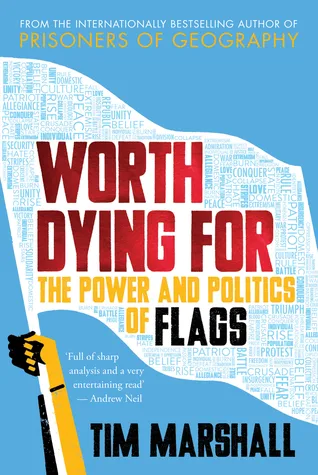
Tim Marshall examines the history and semiotics of national ensigns to explain how these pieces of cloth function as potent political tools. He traces the evolution of global iconography, from the blood-soaked origins of the "Stars and Stripes" and the cross-cultural symbolism of the Union Jack to the rising influence of non-state actors like ISIS. The book details how specific colors and geometries signify sovereignty, religious alignment, or revolutionary intent. Marshall analyzes the psychological hold these emblems maintain over populations, illustrating how they trigger communal identity during wartime or civil unrest.
Readers interested in vexillology and international relations read this text to understand the visual shorthand of global diplomacy. It appeals to those who want to decode the hidden messages within governmental branding and the historical grievances encoded in modern borders. The reader gains a practical framework for interpreting why certain colors provoke riots while others foster unity. By the end, they can identify the underlying ideological tensions represented by the shifting banners of Europe, the Middle East, and beyond.
Outward-looking and clear-cut; an easy read.
Best for readers like The Practical Optimizer. Which reader are you?
- Published
- 2016
- Language
- EN