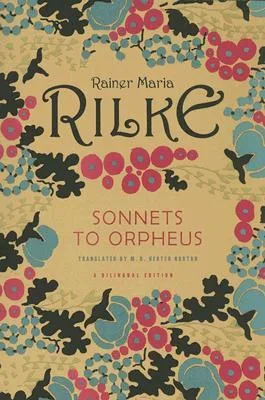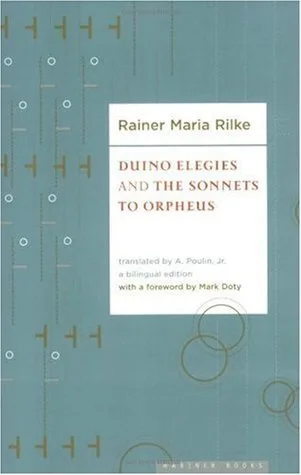
The Duino Elegies and The Sonnets to Orpheus originate from a period of intense creative isolation, confronting the divide between human limitation and the absolute existence of the angelic. Rilke examines the difficulty of sustaining genuine feeling and the temporary nature of earthly physical objects. The Elegies focus on the struggle to translate inner experience into outward praise amidst the certainty of death. Contrastingly, the Sonnets celebrate the mythic figure of Orpheus, using his descent and song to establish the connection between the living world and the realm of the dead.
Readers interested in the intersection of metaphysics and aesthetics find in Rilke a map for internalizing external reality. This collection serves those who study the evolution of European modernism and the potential for language to name the invisible. The reader leaves with a framework for viewing grief and transience not as failures of life, but as necessary conditions for artistic creation. By the final stanza, the book provides a specific vocabulary for acknowledging mortality while maintaining an active commitment to the present, tangible world.
- Published
- 1923
- Language
- EN
Quotes by Rainer Maria Rilke
More →Perhaps all the dragons in our lives are princesses who are only waiting to see us act just once with beauty and courage.
Letters to a Young Poet
The only journey is the one within.
Letters to a Young Poet
Let everything happen to you: beauty and terror. Just keep going. No feeling is final.
Letters to a Young Poet