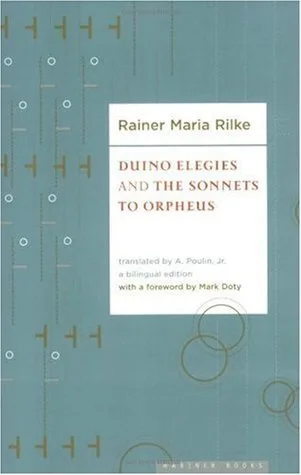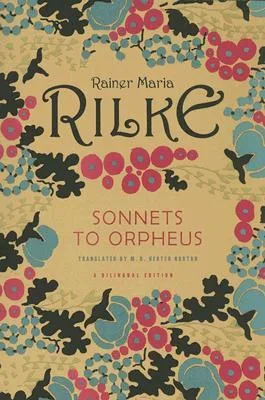
Published in 1923, this collection consists of fifty-five sonnets composed in two rapid sequences. Rilke centers the work on the Greek myth of Orpheus, using the figure of the divine singer to examine the relationship between human breath and physical decay. The poems address the sudden death of young dancer Wera Ouckama Knoop, conceptualizing her transition into the earth as a form of metamorphosis. Through precise imagery of mirrors, fruit, and industrial machinery, Rilke argues that existence requires a constant willingness to vanish into the flow of time.
Poets and students of German literature study these verses to observe how traditional meter can be bent to capture ephemeral sensory experiences. Readers find within these pages a framework for accepting loss and aging without retreating into nihilism. The text provides a technical exercise in linguistic agility, moving from the pastoral to the technological. Those who finish the collection gain a vocabulary for perceiving life and death as a single, unified circuit rather than a pair of opposing forces.
- Published
- 1923
- Language
- EN
Quotes by Rainer Maria Rilke
More →Perhaps all the dragons in our lives are princesses who are only waiting to see us act just once with beauty and courage.
Letters to a Young Poet
The only journey is the one within.
Letters to a Young Poet
Let everything happen to you: beauty and terror. Just keep going. No feeling is final.
Letters to a Young Poet